
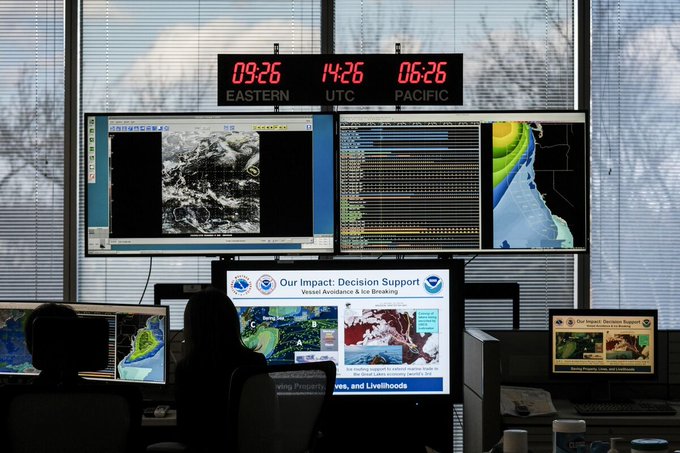
The United States is advocating for increased acquisition of private weather data, a move that could lead to reduced free access to such information. This shift aims to bolster the country’s weather forecasting capabilities by leveraging proprietary data from private companies, potentially diminishing the pool of publicly available meteorological information.
Experts warn that this trend could have broader implications for global forecasting systems, which rely heavily on open data for accuracy and reliability. Reducing free access might hinder international collaboration and the development of advanced weather models, affecting forecasts worldwide.
While the initiative is driven by the desire to enhance forecasting precision, critics highlight concerns about data accessibility and the potential marginalization of publicly funded meteorological resources. As negotiations and policy discussions continue, the balance between private sector interests and global data sharing remains a key issue impacting weather prediction efforts on a global scale.