
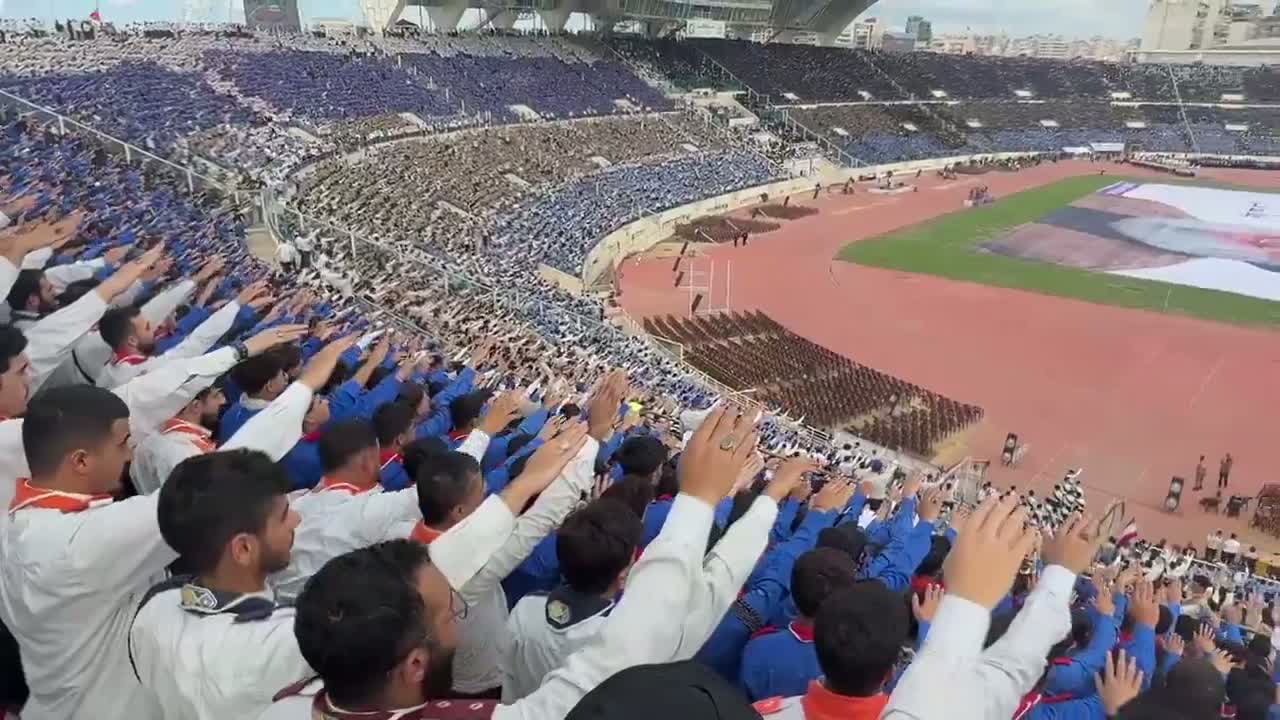
Recent reports suggest that Hezbollah remains an influential political and military force within Lebanon. The Shiite organization, which is designated as a terrorist group by several countries, continues to maintain a significant presence across parts of Lebanon, particularly in the southern regions and the Bekaa Valley. Its involvement in Lebanese politics and security has been a subject of international scrutiny and internal debate.
Hezbollah claims that its activities are aimed at defending Lebanon from external threats, particularly from Israel. The group also plays a key role in providing social services and infrastructure support in various communities, which has contributed to its strong local support base. However, its armed wing remains a point of concern for neighboring countries and international actors, given its capacity to influence regional stability.
Tensions persist as Lebanon faces ongoing economic and political crises. The country’s government struggles to assert full sovereignty amid external influences, with Hezbollah’s weapons arsenal and political power often at the center of national debates. International efforts continue to focus on encouraging dialogue and stability, though challenges remain in addressing the complex dynamics involving Hezbollah within Lebanon’s broader political landscape.
Overall, Hezbollah’s activities and influence in Lebanon continue to shape the country’s security environment, requiring close monitoring from regional and global stakeholders.