
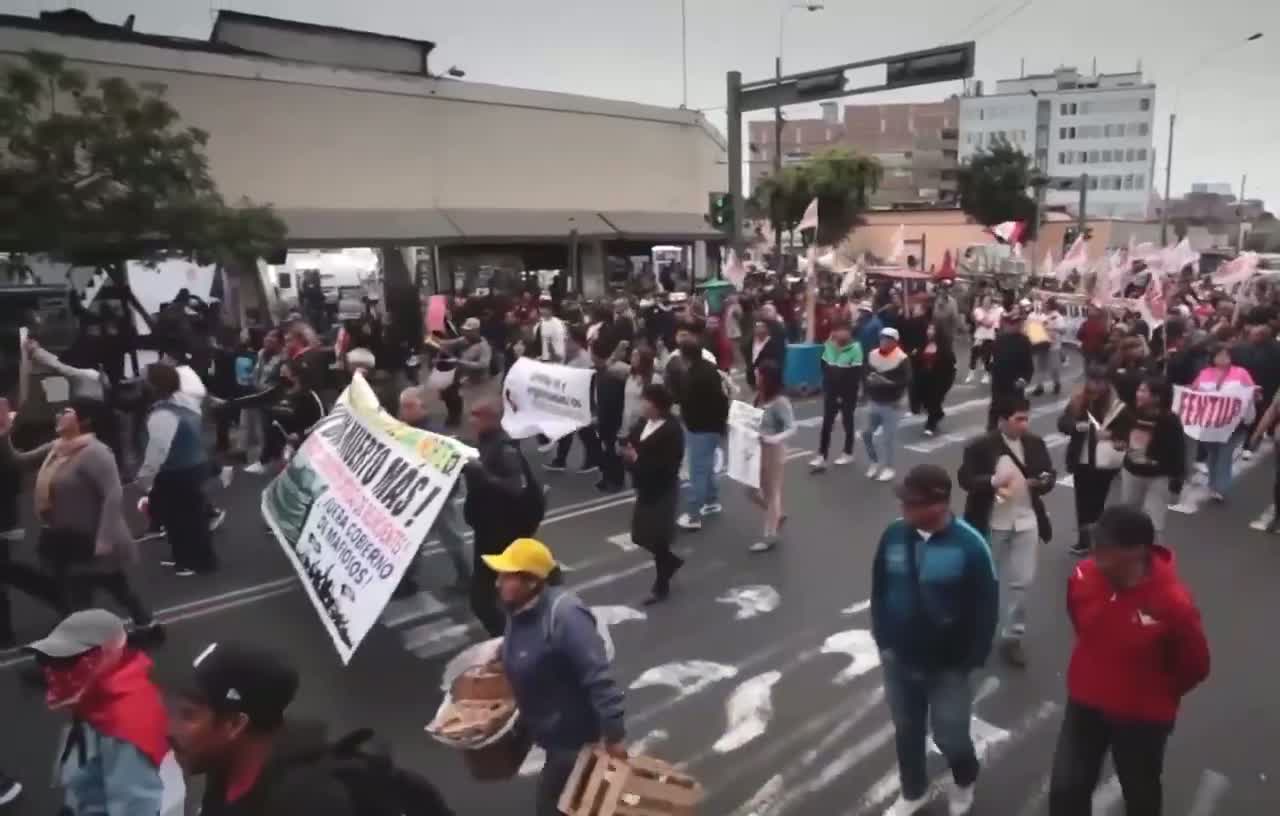
Peru is preparing to declare a state of emergency following a wave of protests that have erupted nationwide, resulting in one confirmed death and dozens of injuries. The unrest was ignited in mid-September but escalated significantly on October 15, as protests against the government intensified. The demonstrations initially centered on opposition to pension reforms but have since expanded to encompass broader grievances against the new presidential administration.
The protests, driven primarily by youth and student groups, have disrupted daily life across various regions. Authorities are responding with increased security measures and are considering declaring a state of emergency to restore order amid the mounting tensions. The government has called for dialogue while condemning violence associated with the protests.
These protests mark a significant challenge for Peru’s current leadership amid ongoing political uncertainty. As the situation develops, officials and opposition voices alike are urging for peaceful resolutions, but the unrest underscores deep societal divisions and demands for governmental accountability. The coming days are expected to be critical in shaping the country’s response to the unrest.