
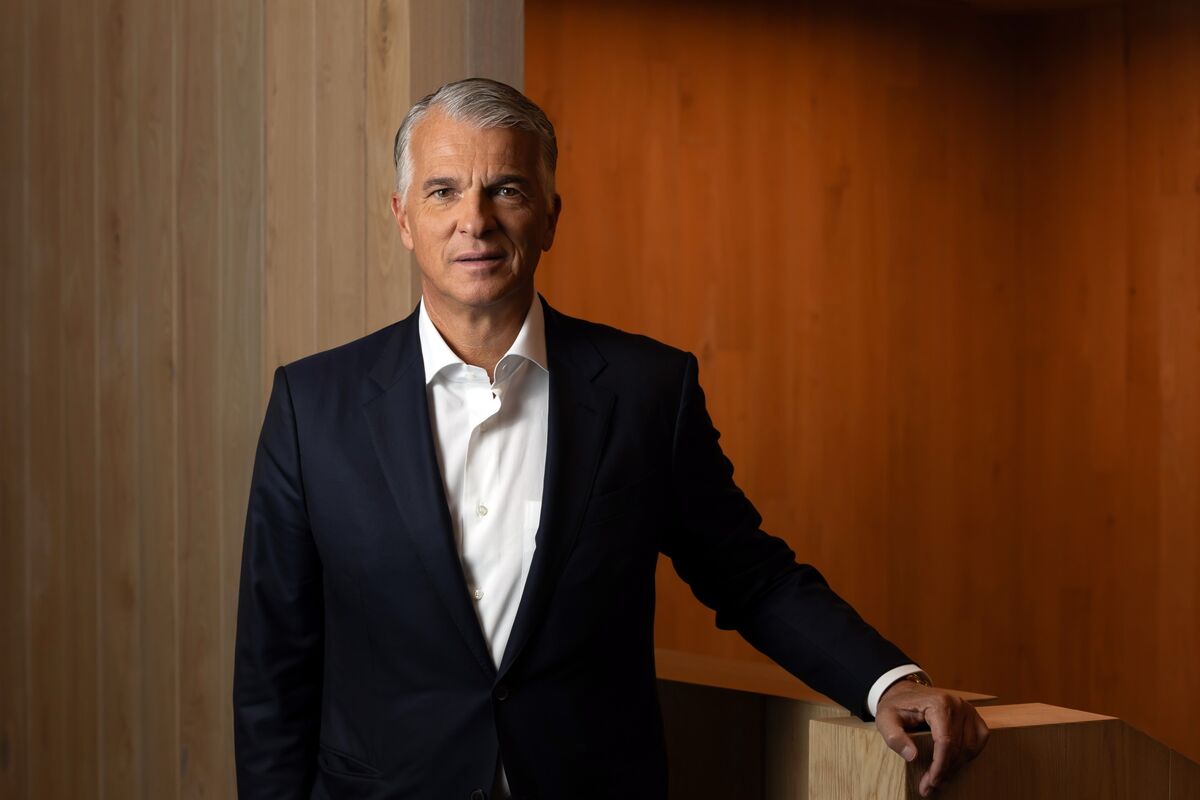
UBS’s recent standoff with the Swiss government has brought renewed attention to the succession plans for the bank’s CEO, Sergio Ermotti. The disagreement centers around regulatory and governmental pressures amidst the bank’s ongoing efforts to navigate its post-merger integration and financial stability. As UBS grapples with these challenges, speculation has increased regarding when and who might succeed Ermotti, who has been a pivotal figure in steering the bank through turbulent times.
The dispute highlights the broader context of UBS’s strategic direction and governance, with authorities keen on ensuring the bank maintains stability and adheres to national interests. Ermotti, whose leadership has been marked by efforts to reaffirm UBS’s position in global banking, is approaching a potential transition period, yet no official timeline or successor has been publicly announced. The situation underscores the complexities inherent in leadership succession amid external pressures and internal restructuring.
Industry analysts observe that the ongoing tension between UBS and the Swiss government could influence the timing of any potential leadership change. The bank’s future leadership decisions are likely to remain closely scrutinized, especially given UBS’s prominent role in Switzerland’s financial sector and its significance within the global banking landscape. As negotiations and strategic considerations continue, stakeholders await clarity on whether the succession plan will be expedited or deferred.
In summary, the dispute between UBS and the Swiss authorities has added an additional layer of uncertainty regarding the future leadership of the bank. While Ermotti’s tenure has been marked by significant achievements, the current situation suggests that any transition will be carefully weighed within the broader context of regulatory relations and corporate strategy. No definite timeline or successor has been confirmed, leaving the industry watching closely for further developments.