
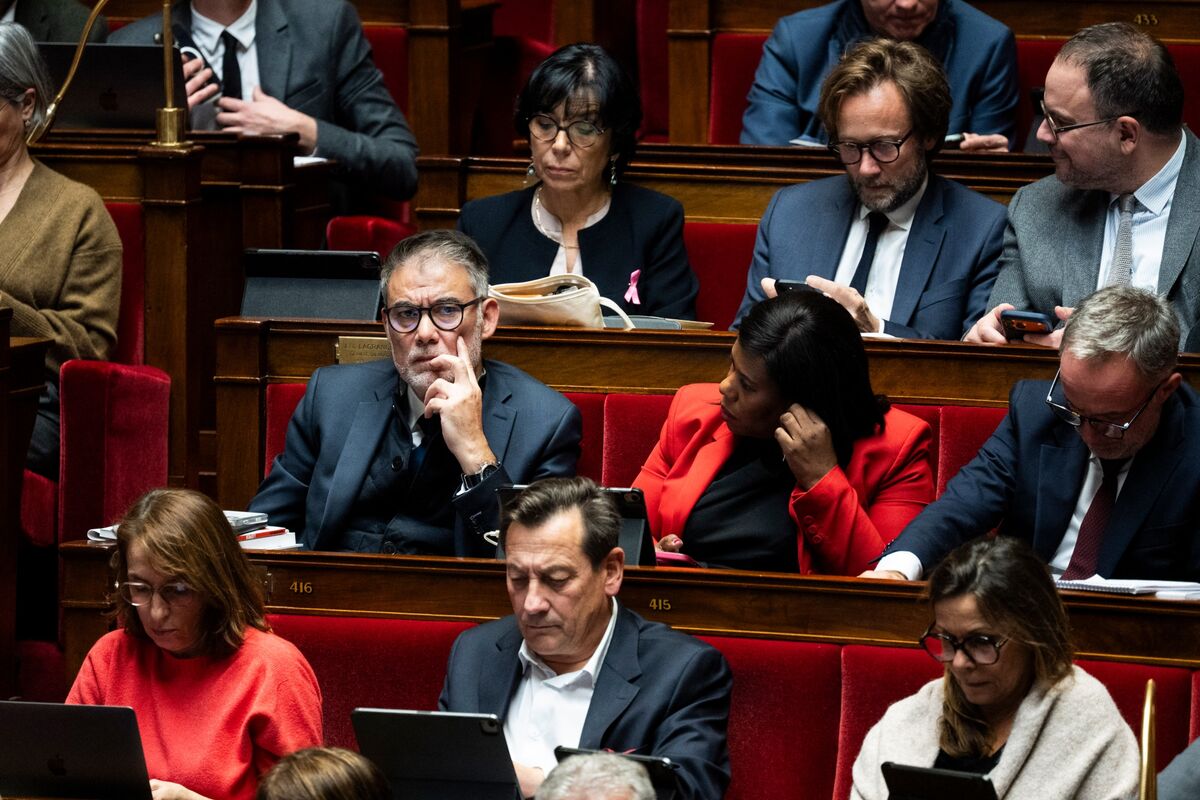
France’s government continues to oppose the proposal for a new wealth tax backed by the left-wing opposition. The proposal aims to increase levies on the wealthy and has sparked a debate over fiscal policies and social equity in the country. Despite mounting pressure from Socialist legislators, the government maintains its stance against implementing such a tax, citing concerns over economic competitiveness and administrative challenges.
The Socialist Party has reiterated its commitment to pressing forward with the wealth tax, warning that they may vote to topple Prime Minister Laurent Lecornu’s government if their demands for higher levies on the rich are not met. This stance reflects broader tensions within the French political landscape regarding distribution of wealth and fiscal responsibility. However, the government insists that current tax policies are sufficient and that introducing a new wealth tax could have unintended negative economic consequences.
As discussions continue, the possibility of a parliamentary showdown remains. The opposition’s push for increased taxation on the wealthy underscores ongoing debates about inequality and fiscal policy in France. The government’s firm opposition signifies the complexity of balancing economic growth with social justice goals in the country’s evolving political environment.