
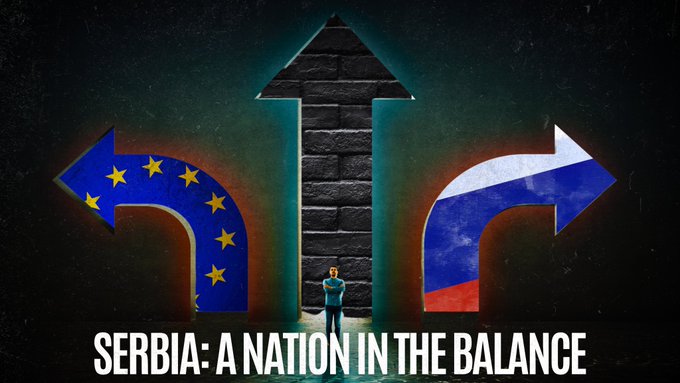
Serbia has maintained a complex and often delicate position within European and global politics since the Yugoslav wars of the 1990s. Straddling influences from Russia, the European Union, and the United States, the country has sought to balance these relationships amid evolving regional dynamics. This geopolitical tightrope walk reflects Serbia’s historical, cultural, and strategic interests, making its international stance a continually shifting landscape.
The country’s relationships with Russia are characterized by strong historical, cultural, and religious ties, leading to supportive political and economic links. Conversely, Serbia has also expressed aspirations for closer integration with the European Union, including negotiations on accession, which aim to foster economic development and regional stability. At the same time, the United States has often played a role in promoting democratic reforms and stability in the Western Balkans, yet sometimes remains cautious about Serbia’s alliances and policies.
These overlapping interests have placed Serbia in a unique position of navigating between alignment with Western institutions and maintaining its traditional ties with Russia. This balancing act influences regional stability, diplomatic relations, and internal politics. Analysts see Serbia’s strategic maneuvering as both a reflection of its historical identity and a pragmatic response to its geopolitical environment.
As Serbia continues to chart its course, its future policies will likely be shaped by internal political developments, regional considerations, and the broader international landscape. The nation’s role as a “perpetual in-betweener” underscores the ongoing challenges and opportunities it faces in forging a stable, independent path forward in a complex geopolitical arena.