
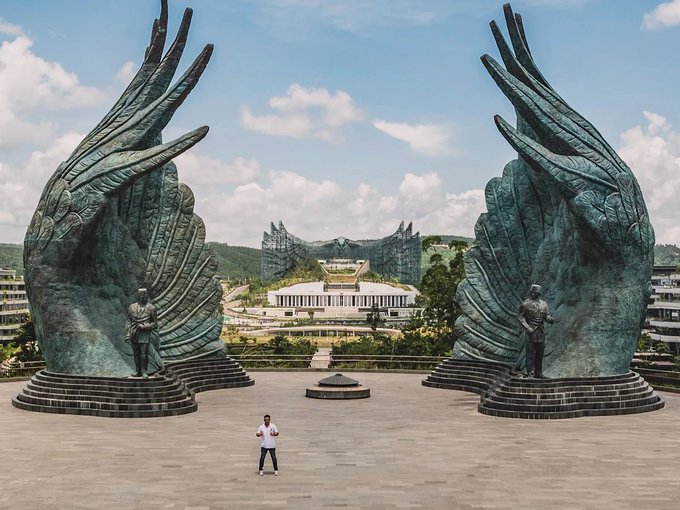
Indonesia’s ambitious project to establish Nusantara as the nation’s new capital is facing significant challenges, with reports indicating that parts of the city are becoming deserted. Built at a cost of billions of dollars, Nusantara was envisioned as a modern, sustainable hub to relieve congestion in Jakarta and foster economic growth in the region. However, recent observations suggest that the city has yet to attract the expected population and functioning infrastructure, leading to concerns over its viability.
The transition of Indonesia’s government to Nusantara followed a change in leadership, with officials emphasizing the long-term strategic importance of the project. Despite political backing and substantial investments, the new capital remains underpopulated, with some areas reportedly resembling ghost towns. Experts suggest that logistical issues, delays in infrastructure development, and potential residents’ reluctance to relocate have contributed to the slow growth.
Government authorities have reiterated their commitment to developing Nusantara into a vibrant urban center, citing ongoing efforts to attract residents, businesses, and institutions. The success of the project is seen as crucial for Indonesia’s future planning, aiming to reduce pressure on Jakarta and promote regional development. As the city continues to develop, all eyes are on whether Nusantara can fulfill its promise as Indonesia’s “capital of the future.”