
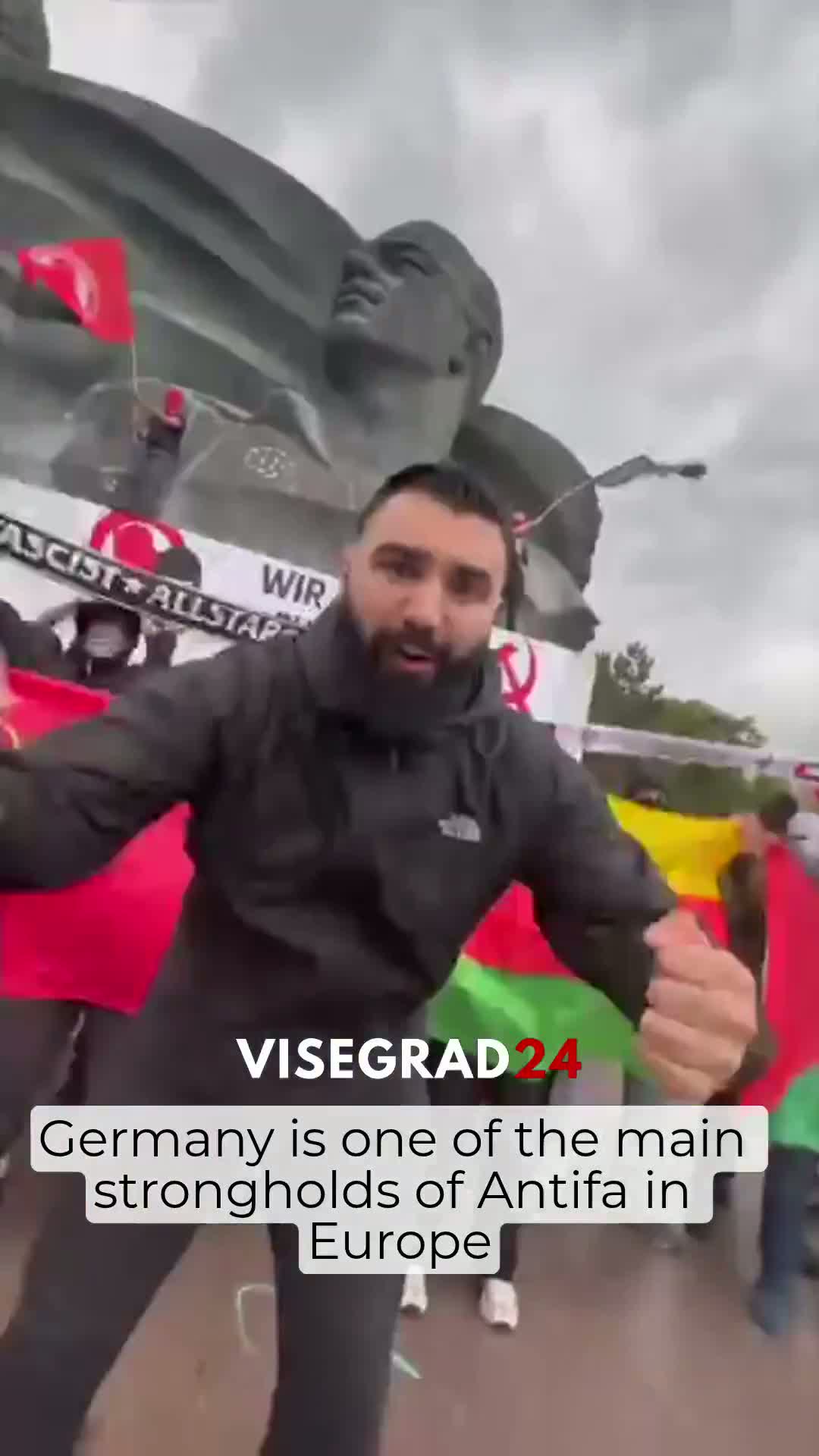
Germany has emerged as one of the primary strongholds for Antifa, a loosely affiliated far-left movement known for its opposition to far-right ideology and its involvement in protests and demonstrations. The group’s presence is particularly prominent in several German cities, where they often organize rallies and counter-protests against nationalist or conservative groups.
According to reports, police and authorities in Germany frequently maintain a cautious stance towards Antifa activities. While some officials have expressed concern over violent incidents associated with certain groups, many in the political establishment are accused of turning a blind eye or opting for leniency. This approach has led to criticism from various sectors, who argue that such tolerance may embolden more radical elements within the movement.
Observers note that while the German government emphasizes upholding free expression and protest rights, the violent incidents linked to some Antifa-affiliated groups have heightened tensions and raised questions about the limits of civil liberties versus public safety. Security agencies continue to monitor these groups, amid ongoing debates over how best to handle activities that sometimes escalate beyond peaceful protests.
Overall, the situation highlights the complex balance between ensuring freedom of assembly and addressing violence associated with certain political activism. As Germany grapples with this issue, community leaders and policymakers face pressure to clarify the boundaries of acceptable protest and uphold the rule of law.