
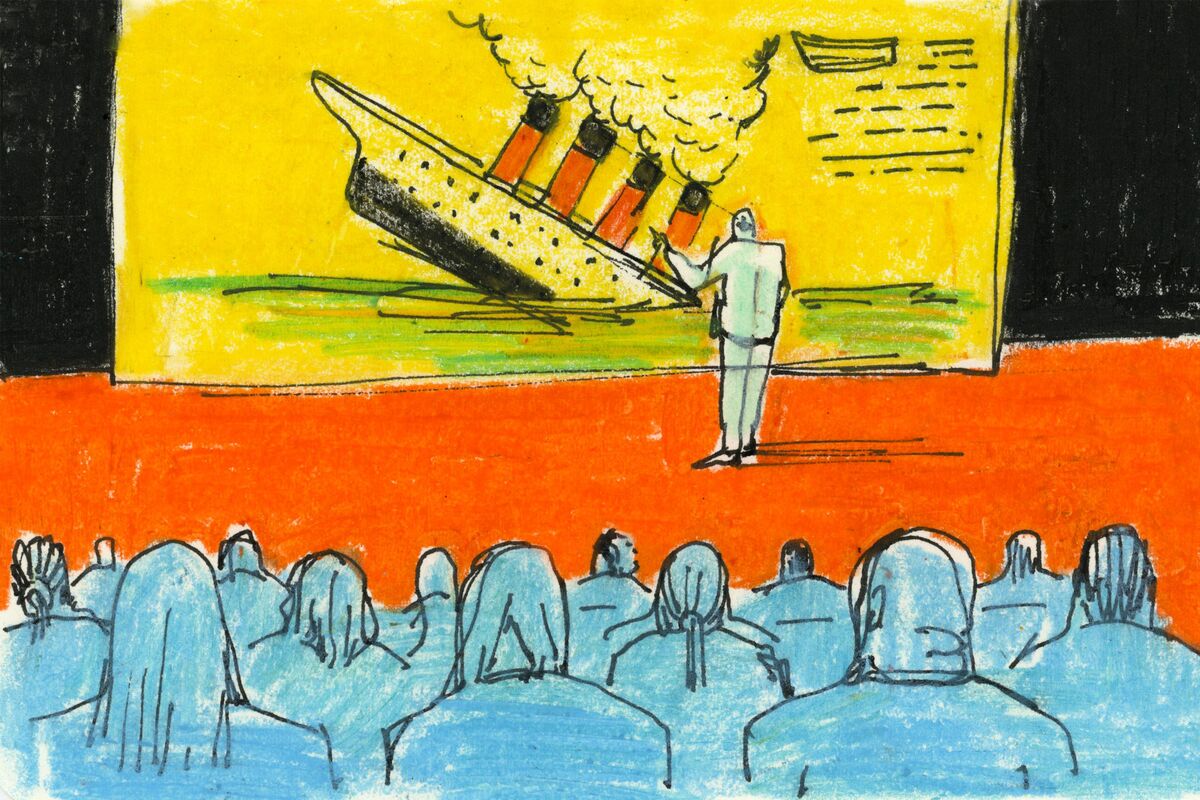
A new Princeton University course is shedding light on the common factors behind historic disasters such as the Hindenburg explosion, the sinking of the Titanic, and the Challenger space shuttle disaster. The class aims to analyze the causes and failures that led to these catastrophic events, offering students insights into risk management, decision-making, and technological limitations.
The course explores how human error, design flaws, and organizational pressures contributed to each tragedy. By examining these incidents in detail, students learn about the importance of safety protocols and the lessons that shaped modern engineering and operational standards. The program emphasizes critical thinking about how preventable mistakes can have far-reaching consequences.
In addition to historical analysis, the course discusses broader themes related to crisis management and responsibility in high-stakes environments. Professors hope that through understanding past failures, students will be better equipped to identify warning signs and mitigate risks in their own professional fields. The initiative underscores the enduring relevance of studying historical disasters to improve safety and decision-making today.
Overall, Princeton’s course provides a multidisciplinary perspective on tragedy, fostering awareness of the complex interplay between technology, human factors, and organizational culture that can lead to disaster.