
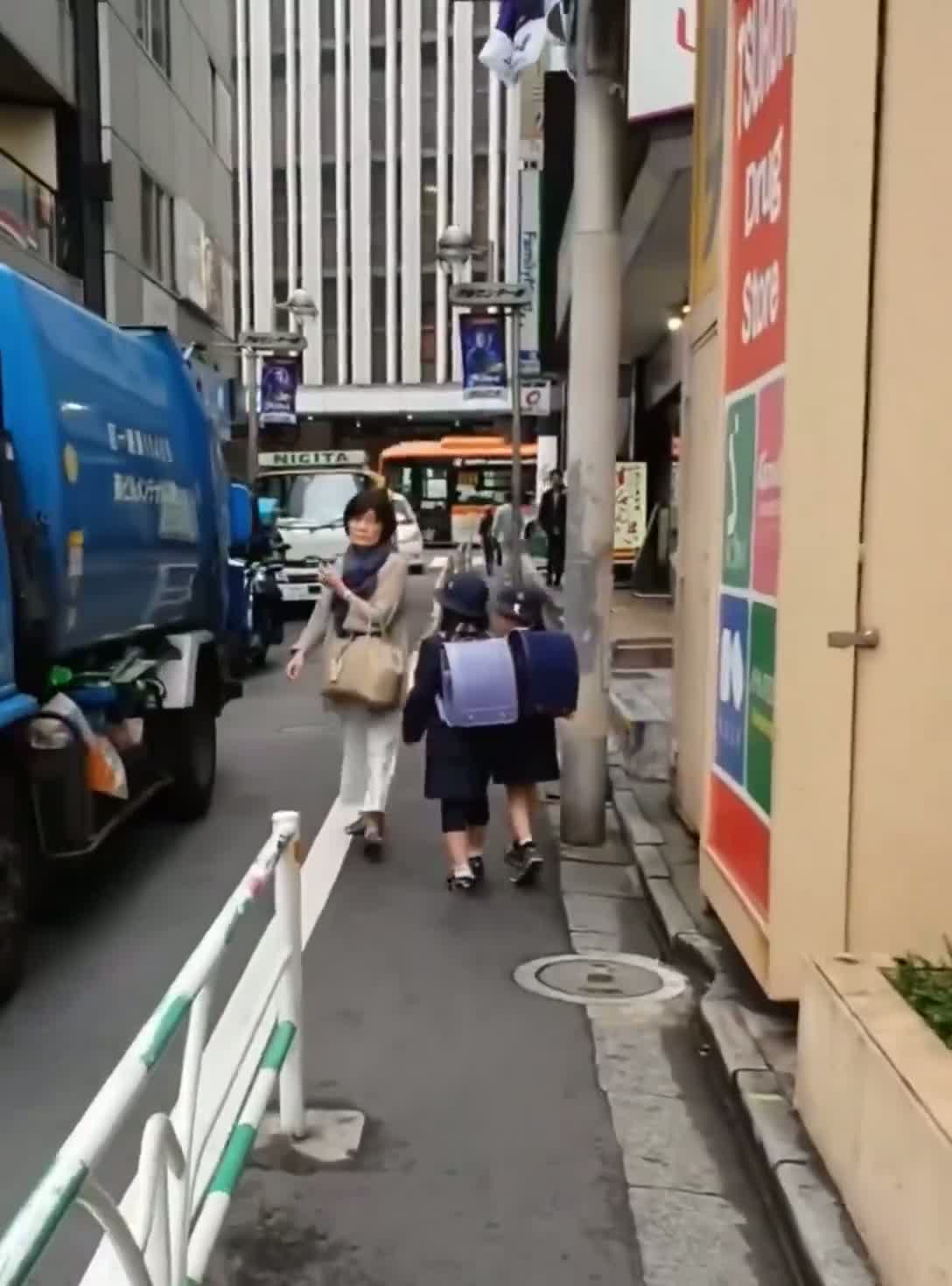
A recent study highlights that over 92% of fifth-grade students in Japan walk to school solo, a practice supported by the country’s low crime rates and strong social cohesion. These factors foster a high-trust environment, allowing children to travel independently at a young age with minimal safety concerns.
Japan’s remarkable safety record is reflected in its statistics, with only 0.3 homicides per 100,000 inhabitants—the lowest among developed nations. This safety environment contributes significantly to the cultural norm of children walking to school alone, which is often seen as a sign of community trust and social stability.
Experts suggest that Japan’s social cohesion, characterized by community involvement and adequate neighborhood safety, plays a key role in enabling children to navigate their daily routines independently. Such practices are less common in countries with higher crime rates, where parental supervision remains a priority.
Despite differences in urban density and infrastructure, Japan’s approach exemplifies how high societal trust can influence childhood independence and community safety practices. The widespread practice of children walking to school alone underscores the country’s reputation for social harmony and effective public safety measures.