
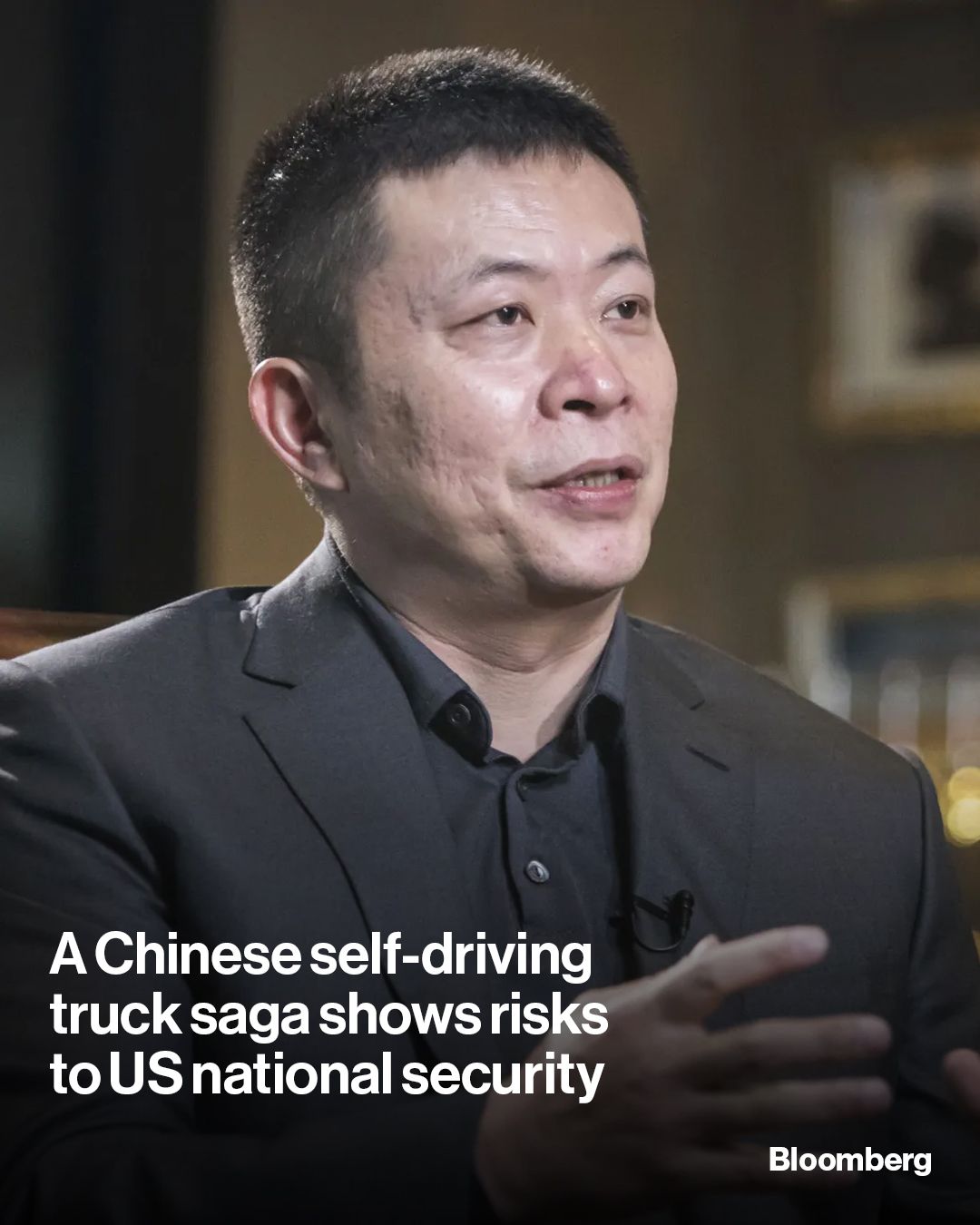
The United States government attempted to prevent a Chinese-backed self-driving truck startup from exporting its technology, citing concerns over national security and technological proliferation. Despite these efforts, the company’s plans to restrict access to its autonomous driving technology outside of China were ultimately unsuccessful. The move highlights ongoing tensions between the U.S. and China over technological innovation and control.
This development comes amid broader negotiations involving Chinese technology companies, notably TikTok, which has become a focal point of U.S.-China relations. The Trump administration has previously taken a hard-line stance on Chinese tech firms, fearing potential data security risks and intellectual property issues. The inability to block the truck startup’s technology serves as a setback for U.S. efforts to curb Chinese technological advancement in certain sectors.
Industry analysts suggest that these incidents reflect larger challenges faced by the U.S. in safeguarding its technological advantages amidst an increasingly competitive global landscape. The failure to restrict the self-driving truck technology underscores the complex balance of promoting innovation while protecting national security interests. As negotiations over TikTok continue, this episode illustrates the broader geopolitical implications of technology transfer and international business strategies.
The situation points to an evolving dynamic where technological competition becomes intertwined with diplomatic negotiations, potentially influencing policies and business practices on both sides. Experts warn that such conflicts could set precedents affecting future cross-border technology deals, emphasizing the need for clear frameworks to manage these sensitive issues effectively.