
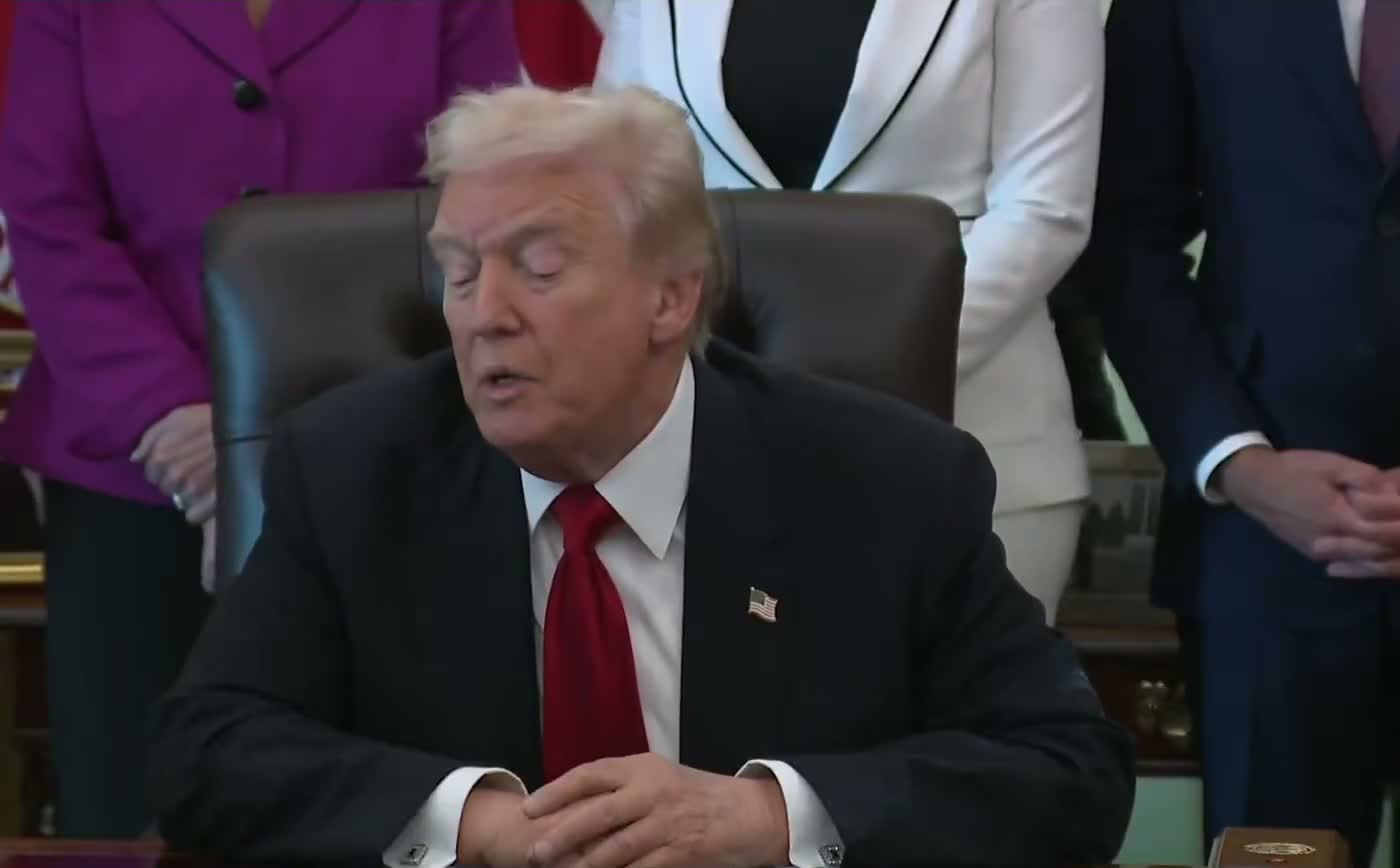
Former President Donald Trump has made provocative comments suggesting that Democrats aim to grant statehood to Puerto Rico and Washington, D.C., primarily to increase their electoral power. He claims that such moves would result in Democrats securing additional electoral votes and Senate seats, potentially shifting the political landscape.
During a recent rally, Trump warned that his administration would take preemptive action in response to these proposed changes, drawing a controversial comparison to Israel’s military strategy. His statements have sparked criticism from Democratic leaders who argue that discussions about statehood are a matter of electoral representation and governance, not partisan threats.
The debate over Puerto Rico and D.C. statehood has been ongoing for years, with proponents emphasizing local autonomy and representation, and opponents citing concerns over political balance and federal resource allocation. Trump’s remarks have intensified the political divide, highlighting underlying tensions over voting rights and the constitutionality of granting statehood to these territories.
Legal and political experts note that any move to grant statehood would involve complex legislative processes and constitutional considerations. While Trump’s comments have garnered media attention, it remains uncertain whether such claims will influence ongoing efforts or negotiations surrounding territorial status and electoral reforms.