
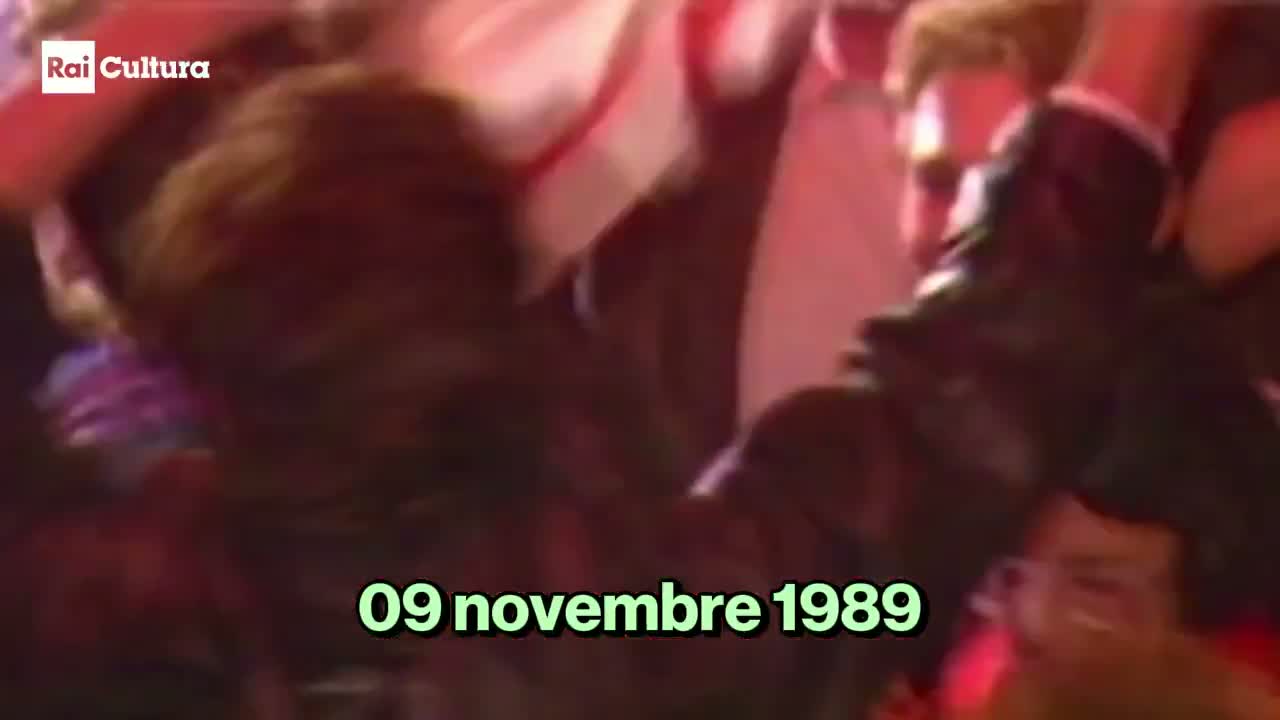
On November 9, 1989, the Berlin Wall, a symbol of Cold War division between East and West Germany, fell after nearly 30 years. The wall, erected in 1961, physically and ideologically separated East Berlin, under communist control, from West Berlin, a Western enclave. Its fall marked a pivotal moment in history, symbolizing the weakening of communist regimes in Eastern Europe and the approaching end of the Cold War.
The event was precipitated by mounting protests and political changes across Eastern Europe, combined with easing restrictions from the Soviet Union under Mikhail Gorbachev’s leadership. On the evening of November 9, a misstatement by government officials about new travel regulations led thousands to cross the borders, flooding through the checkpoints. Thousands of East and West Berliners celebrated together as the barrier was dismantled piece by piece.
The fall of the Berlin Wall significantly accelerated German reunification, which was formally completed less than a year later, in October 1990. It also symbolized broader shifts towards democracy and openness within Eastern Europe, catalyzing a wave of political change across the region. The event remains a powerful reminder of the triumph of freedom over division and oppression.