
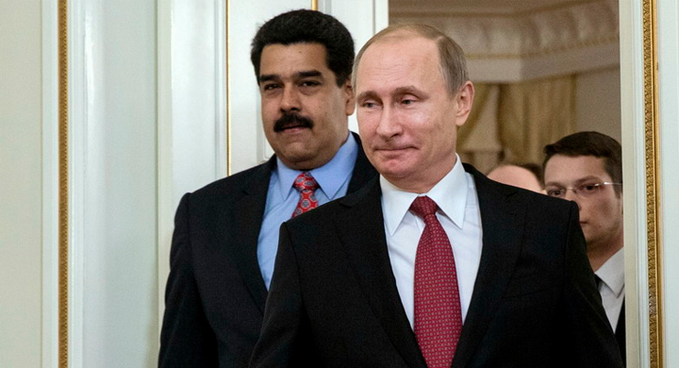
Venezuelan President Nicolás Maduro faces mounting pressure amid ongoing internal unrest and economic hardship, drawing parallels with other authoritarian leaders such as Syrian President Bashar al-Assad. Some analysts suggest that if Maduro were forced to step down or flee, it would be in part due to the increased efforts of international allies and regional pressure, alongside the Venezuelan people’s own protests and demands for change.
Internationally, Ukraine’s ongoing conflict with Russia has garnered widespread attention for its resistance and resilience. Some observers note that Ukraine’s efforts have not only impacted the battlefield in Eastern Europe but have also had broader geopolitical implications, including diminishing Russia’s military capabilities. The extent to which Kyiv’s resistance has contributed to weakening Russia’s war machine is frequently highlighted in discussions about regional stability.
The comparison draws attention to the interconnectedness of global conflicts, where support and resistance dynamics in one region can influence political stability in another. Experts emphasize that, while internal dissent remains critical, international support often plays a crucial role in shaping political transitions and accountability for oppressive regimes.
As Venezuela faces its own political challenges, the international community continues to watch closely. The hope expressed by some analysts is that increased pressure and the persistent demands for justice and reform could eventually lead to significant political change in Caracas, paralleling the perseverance seen in other contested regions.