
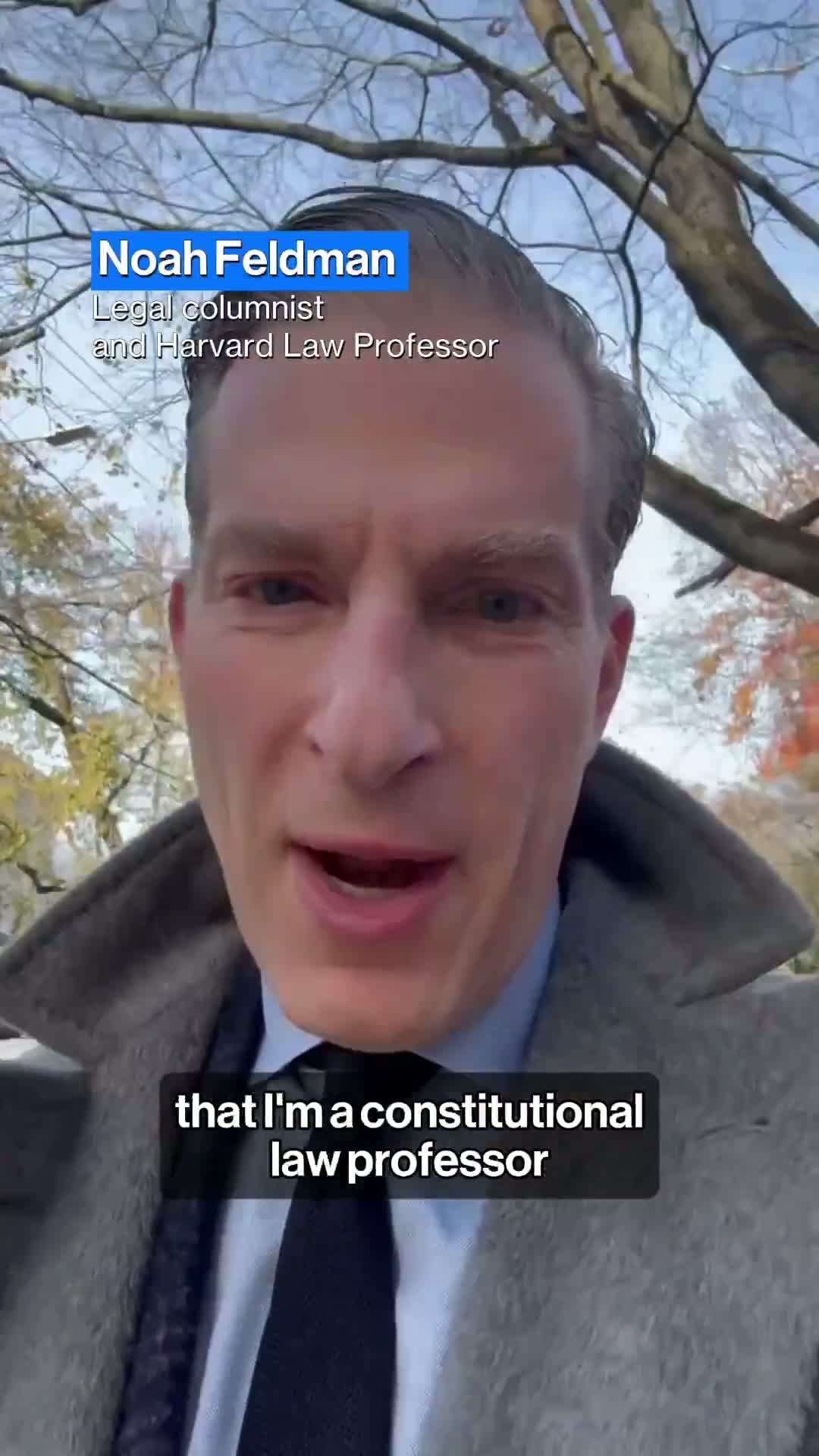
Amid ongoing concerns about immigration enforcement, social media users are raising questions about the government’s response to issues surrounding Immigration and Customs Enforcement (ICE). One prominent voice, Noah R. Feldman, pointed to the role of the three branches of government in addressing these concerns.
Feldman highlighted that the legislative, executive, and judicial branches all have potential responsibilities in shaping ICE policies and holding the agency accountable. Legislative bodies can pass laws to regulate or reform immigration enforcement practices, while the executive branch oversees agency operations. The judicial branch can also influence ICE’s actions through legal rulings and enforcement of immigration laws.
Observers suggest that perceived inaction may stem from complex political dynamics and legislative gridlock, making comprehensive reform arduous. Meanwhile, advocates and critics continue to call for increased oversight and transparency regarding ICE activities.
As the debate persists, experts note that meaningful change requires coordinated efforts across government branches, increased accountability, and continued public engagement. The ongoing conversation underscores the importance of checks and balances in addressing immigration enforcement issues effectively.