
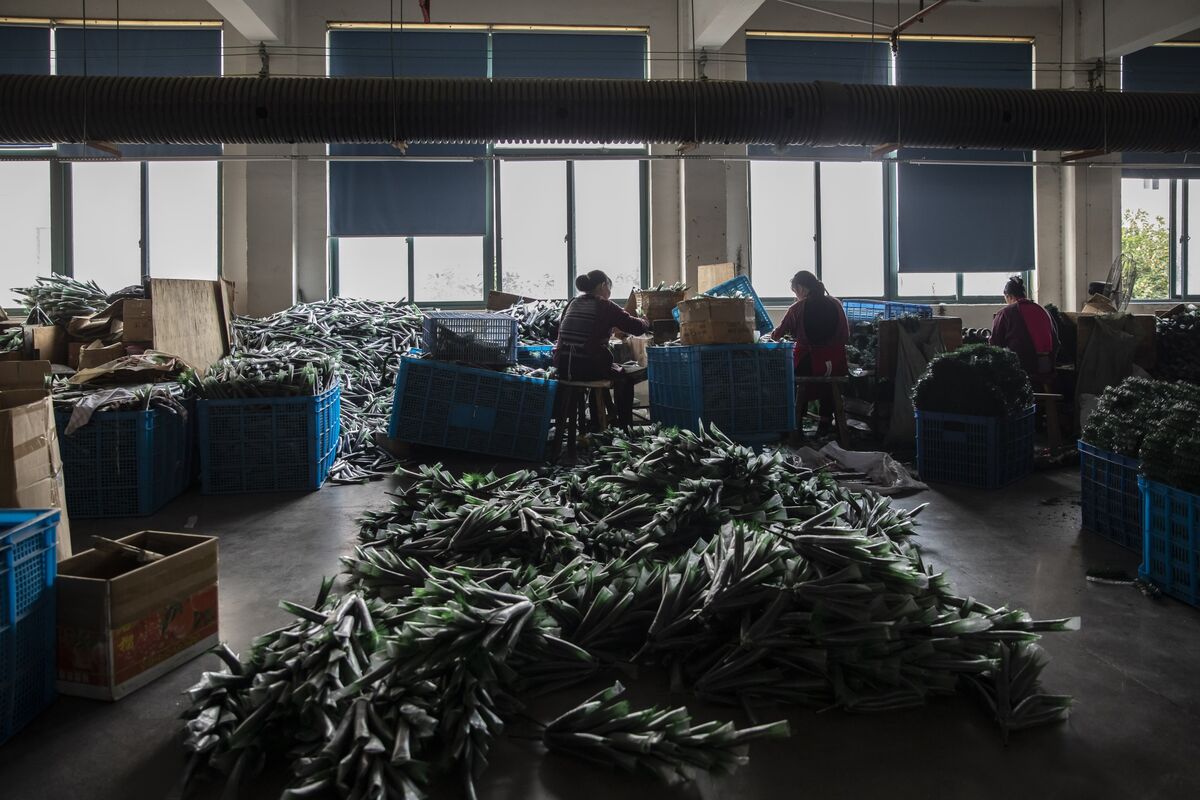
Beijing is tightening regulations on the market for low-cost goods, signaling a shift in its approach to manufacturing and commerce. Recent policy changes suggest that China is no longer prioritizing the expansion of affordable products, which has historically been a significant aspect of its economic development and export strategy.
Industry analysts note that these regulatory adjustments could impact companies that rely on the production and export of low-cost goods, potentially leading to increased costs or a shift in supply chains. The move is seen by some as an effort by Beijing to focus on upgrading its industrial base and moving up the value chain, emphasizing quality and innovation over cost competitiveness.
Though the precise details of the new measures remain under review, experts indicate that this strategy may influence global markets, especially in sectors heavily reliant on inexpensive Chinese manufacturing. For consumers worldwide, the change could mean less availability of certain low-cost products or higher prices in the future.
As China recalibrates its economic priorities, businesses and observers are watching closely to understand how these policies will shape the future landscape of international trade and manufacturing. The shift represents a potential turning point in China’s economic trajectory, with broader implications for global markets and supply chains.