
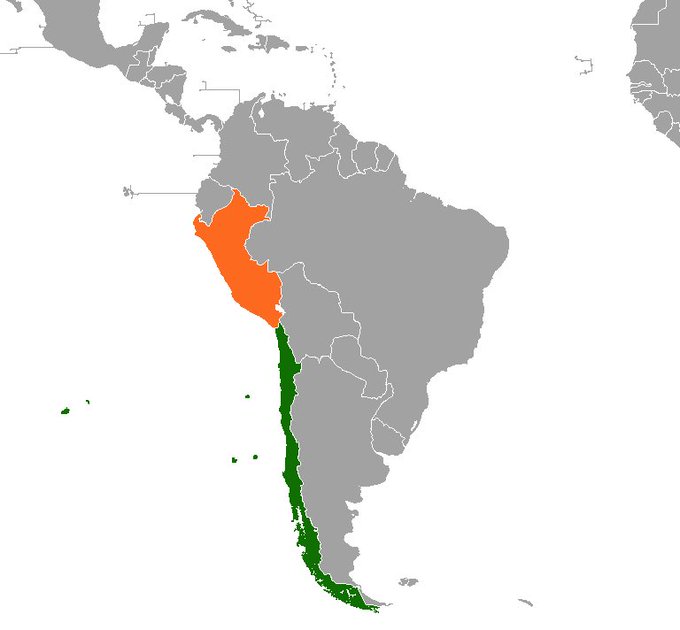
Peru has declared a state of emergency along its southern border with Chile in response to anticipated migration pressures. The measure, announced by Peruvian authorities, is focused on the Tacna region, which borders Chile and is expected to see increased movement of people amid political developments in the region.
The decision comes ahead of the upcoming presidential runoff election in Peru, where anti-migration candidate José Antonio Kast is forecasted to win, according to recent polls. The government cited concerns over potential large-scale migration influx and the need to ensure security and border control as reasons for implementing the emergency measures.
Under the state of emergency, authorities may have increased powers to manage the situation, including enhanced surveillance and restrictions, to address security concerns and organize migration flow. The move has drawn mixed reactions, with some local residents expressing concerns over disruptions, while officials emphasize the necessity of safeguarding border security amid the changing political landscape.
This development highlights ongoing regional challenges related to migration and border management in South America, with neighboring countries closely monitoring the evolving situation in Peru and Chile.