
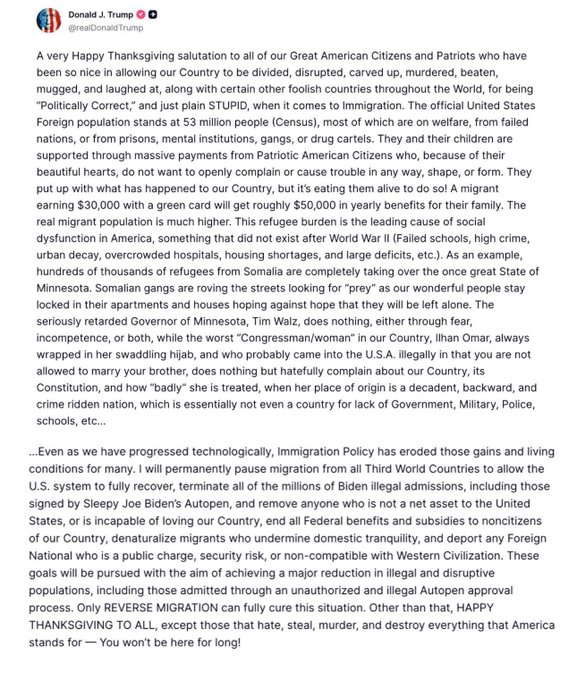
Former President Donald Trump has recently emphasized the concept of “reverse migration” as a potential solution to certain economic and demographic challenges facing the United States. In a series of statements, Trump suggested that encouraging Americans to move back from high-cost urban areas to more affordable regions could help revitalize struggling communities and stimulate local economies.
The idea of reverse migration has gained attention amid ongoing debates about urban congestion, housing affordability, and workforce distribution. Supporters argue that shifting populations could reduce pressure on major cities, create new job opportunities in rural and suburban areas, and address regional disparities. Critics, however, question the feasibility of large-scale migration and caution that multiple factors, including job availability and quality of life, influence migration patterns.
While Trump’s proposal highlights a potential strategy to balance economic growth across the country, experts note that implementing such initiatives would require coordinated policies at multiple levels of government. They also emphasize the importance of considering broader social and economic implications, including infrastructure needs and access to services, in planning for successful reverse migration efforts.
As discussions about regional development and economic resilience continue, Trump’s remarks on reverse migration add a fresh perspective to the ongoing debate about how best to address the nation’s demographic and economic challenges.