
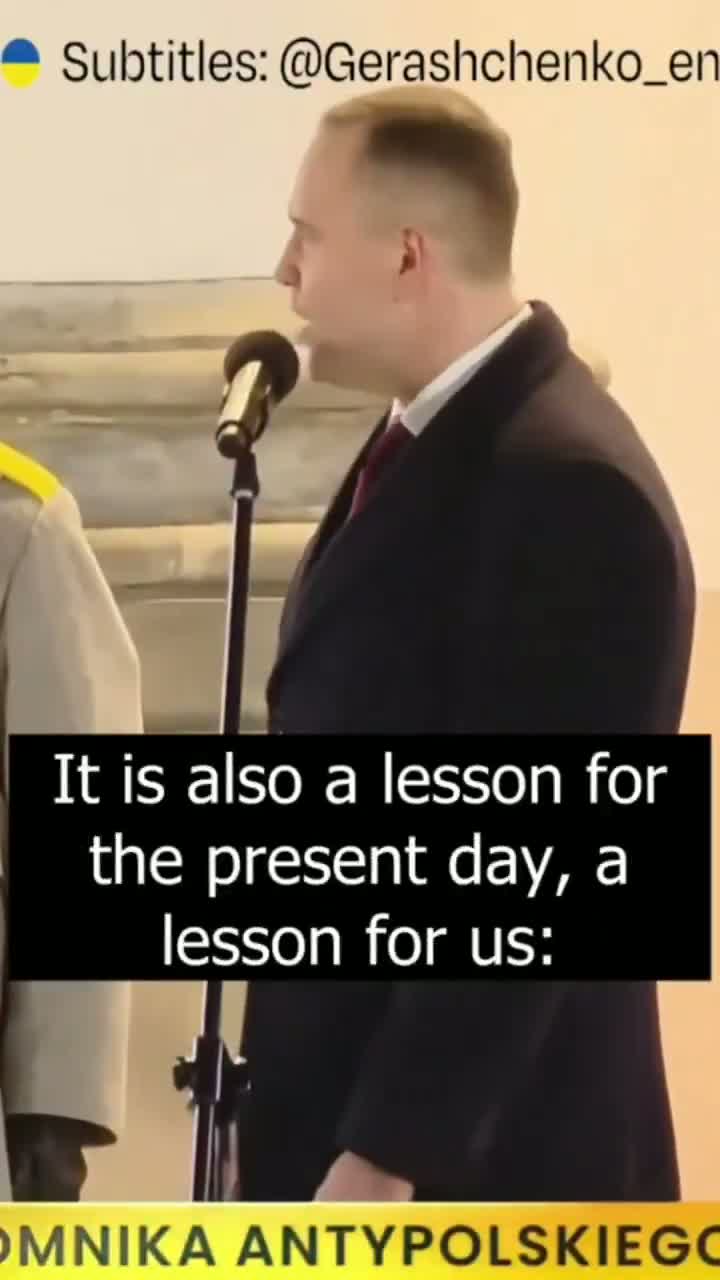
Poland’s newly inaugurated President Karol Nawrocki has made strong statements regarding relations with Russia, referencing historical tensions. In his comments, Nawrocki characterized Russia with harsh language, asserting that no agreements can be made with Russia, whom he referred to dismissively as “Moskals,” a slang term for Russians. He emphasized that this sentiment remains consistent across the 19th, 20th, and 21st centuries, suggesting a deep mistrust rooted in Poland’s historical experiences.
Nawrocki’s remarks come amid ongoing geopolitical tensions involving Poland and Russia, particularly in light of recent security concerns in Eastern Europe. While his language was notably confrontational, his statements reflect a broader sentiment within certain segments of Polish political discourse, which emphasizes caution and skepticism towards Russian intentions. Official government responses have not yet clarified whether Nawrocki’s comments indicate a shift in policy or are intended as a personal expression of stance.
The statement underscores the complex and often strained history between Poland and Russia, shaped by conflicts, invasions, and political disagreements over the years. Analysts suggest that such rhetoric may influence future diplomatic interactions and Poland’s stance on regional security issues. The Polish government has yet to issue a formal response to Nawrocki’s comments, but the statement has already sparked discussions about Poland’s approach to its eastern neighbor.