
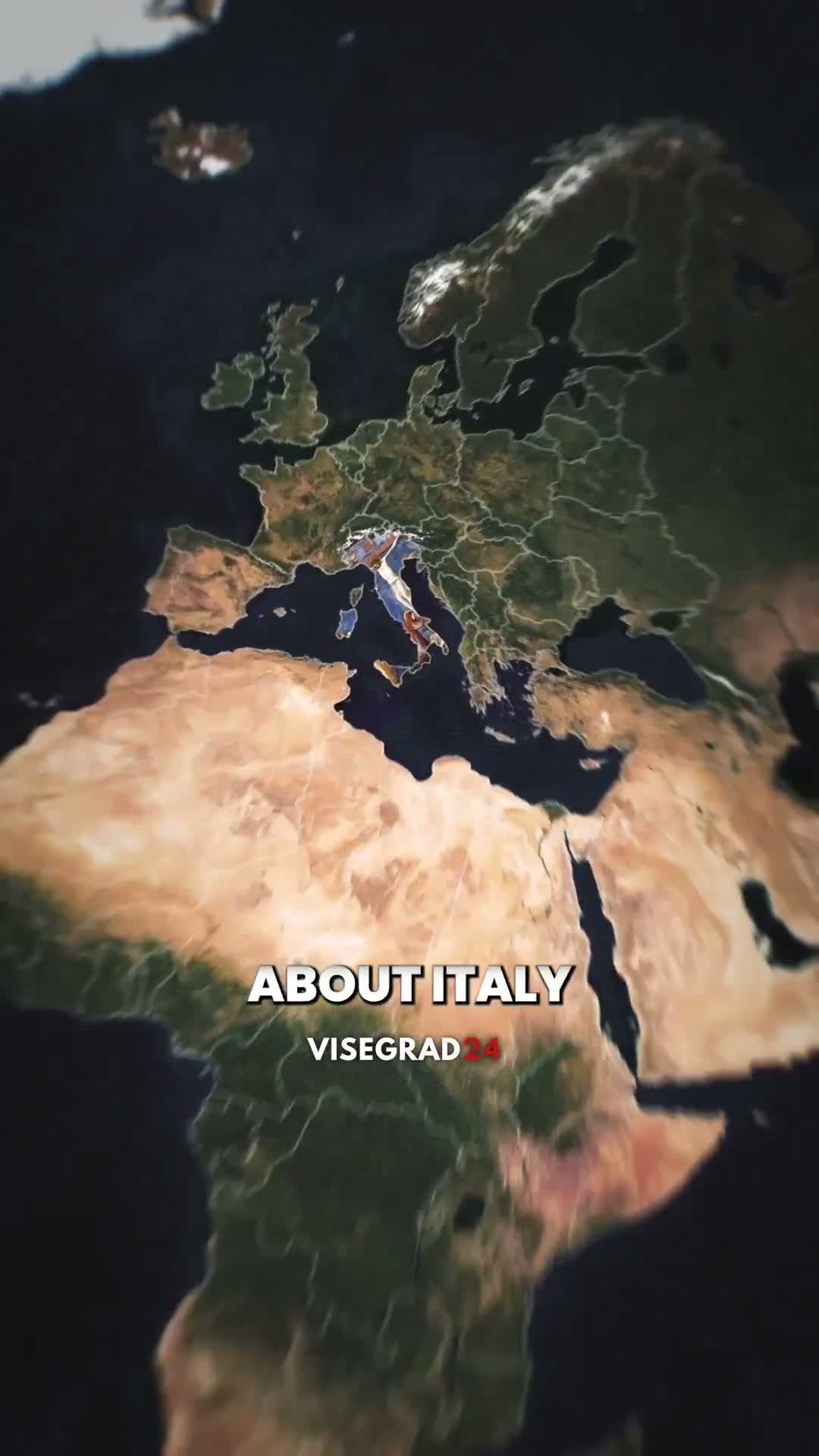
During the 13th and 14th centuries, the waning influence of the Roman Empire faced significant external threats as Muslim invaders advanced into its territories. These military campaigns created a period of upheaval across southeastern Europe and surrounding regions, prompting widespread displacement and migration.
As a result of the invasions, many artists and intellectuals sought refuge in Western Europe, particularly in Italy, where wealthy patrons supported the preservation and development of arts and scholarship. Italy’s burgeoning cities became centers of cultural activity, attracting displaced scholars, artists, and thinkers seeking safety and patronage.
In addition to Italy, the medieval Serbian state also became an important refuge for many fleeing the turmoil. During this period, Serbia experienced an era of economic and political growth, which provided a conducive environment for the arts and learning. The movement of talented individuals and cultural influences between regions helped shape the intellectual and artistic landscape of the time.
This migration fueled the transfer of knowledge and artistic traditions, contributing to the broader cultural developments across Europe and southeastern Europe. The period marked a significant chapter in the history of refuge and cultural resilience amid the upheavals of the late medieval era.