
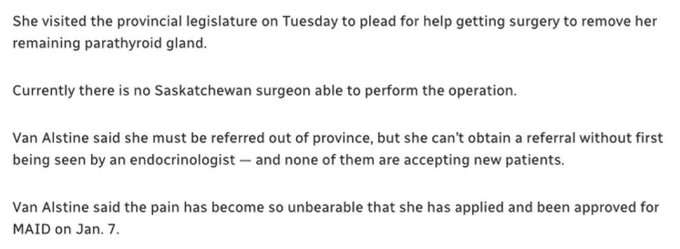
A Canadian woman has chosen to end her life through euthanasia, raising ongoing discussions about end-of-life options in the country. The case highlights the evolving legal landscape surrounding assisted dying in Canada, where the practice has been legal under certain conditions since 2016. The incident has prompted reflection on the accessibility and regulation of euthanasia across different regions.
Canada’s laws regarding medical assistance in dying (MAID) specify strict criteria, including that the person must be experiencing intolerable suffering and be mentally competent to make the decision. Despite these regulations, stories of individuals seeking euthanasia continue to emerge, often sparking debates on ethical considerations, mental health assessments, and the adequacy of support systems for those contemplating end-of-life choices.
Advocates for MAID argue that it provides a compassionate option for those facing unbearable pain or incurable illnesses. Critics, however, voice concerns about potential pressures on vulnerable populations and the adequacy of safeguards. As the conversation persists, policymakers and health authorities remain attentive to balancing individual autonomy with ethical and societal responsibilities.