
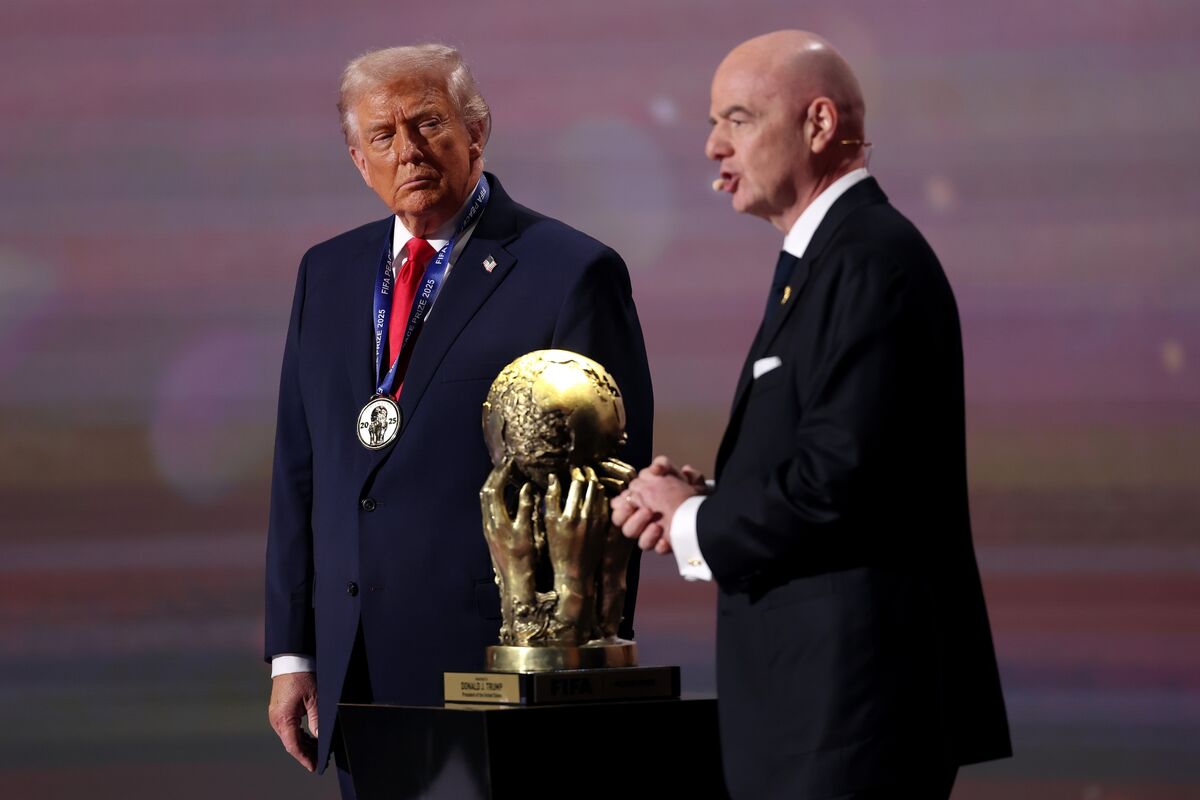
FIFA has come under scrutiny for its recent engagement with former U.S. President Donald Trump amid the upcoming World Cup. Critics argue that the organization’s interactions with Trump, who is known for his climate-change skepticism, may undermine its efforts to promote sustainability and environmental responsibility in football.
The controversy stems from reports that FIFA has been advancing relationships with figures who oppose widespread climate action, raising questions about the sport’s commitment to environmental issues. Opponents contend that such alliances tarnish FIFA’s reputation and the broader image of football as a global sport capable of promoting positive change.
FIFA has yet to issue a detailed response to the criticism, but the controversy underscores ongoing debates about the intersection of sports governance and social responsibility. As the World Cup approaches, the organization faces increasing pressure to clarify its stance on climate issues and demonstrate a commitment to sustainable practices within the sport.
The affair highlights the challenges sports organizations face when balancing political associations with their role as unifying entities. Whether FIFA’s engagement with controversial political figures will impact its image or influence future policies remains to be seen.