
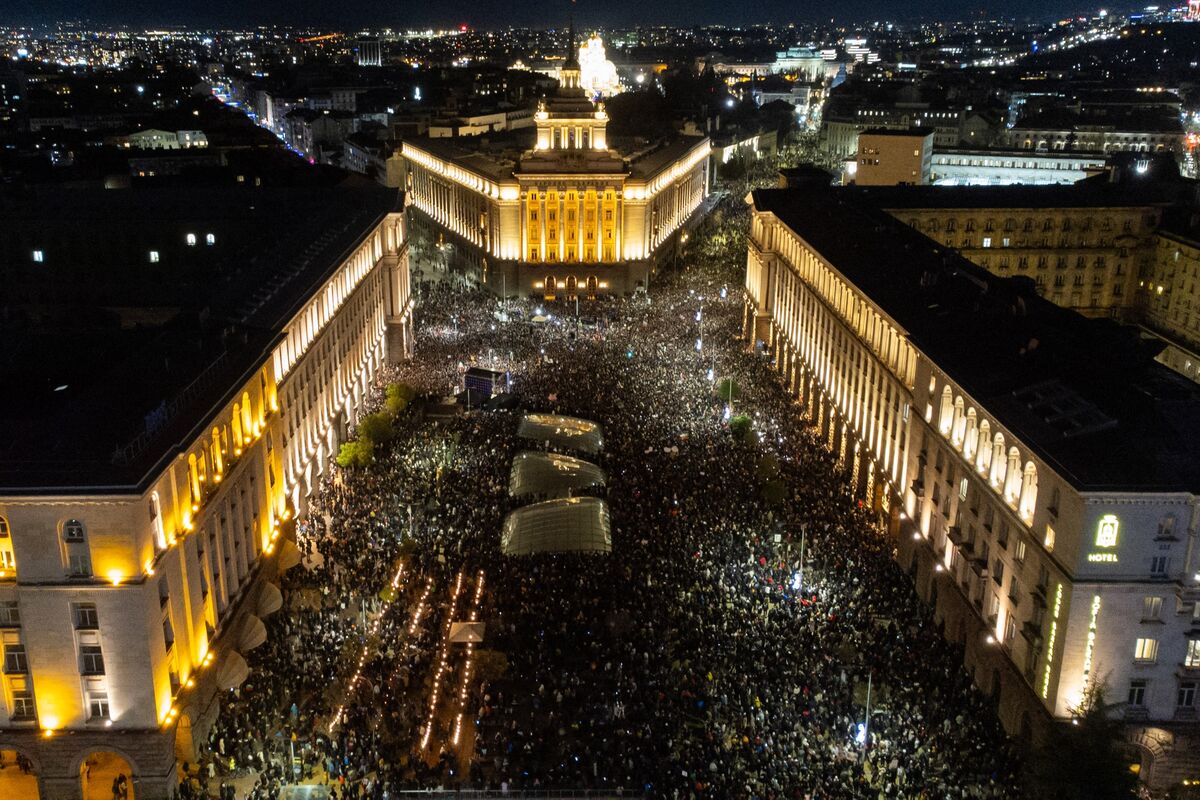
Bulgaria is experiencing a series of street protests as citizens rally against perceived corruption within the country’s ruling elite. Demonstrators have voiced dissatisfaction with ongoing issues of graft and lack of accountability, calling for greater transparency and reforms. The protests have garnered widespread attention across major cities, reflecting growing public frustration with political and economic governance.
The unrest comes at a pivotal moment for Bulgaria, which is preparing to adopt the euro as part of its integration into the eurozone. Authorities and financial institutions have emphasized that the transition is on track, but the protests have raised concerns about political stability in the lead-up to the currency change. Experts suggest that ongoing civil unrest could influence Bulgaria’s diplomatic and economic commitments, though officials assure voters that the euro accession process remains unaffected.
Analysts note that the protests highlight broader regional challenges in Southeast Europe related to corruption and governance. While the Bulgarian government has condemned the demonstrations, they continue to draw large crowds and media attention, signaling a significant demand for reform. As Bulgaria approaches its euro adoption deadline, authorities face the task of balancing political stability with addressing public grievances.