
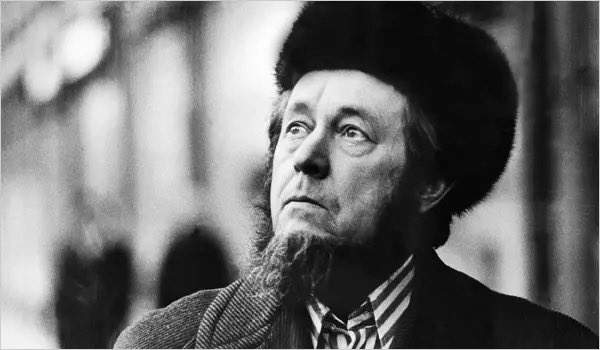
According to renowned author Aleksandr Solzhenitsyn, a defining characteristic of communist systems is their tendency to treat criminals leniently while harshly punishing political opponents. In his analysis, Solzhenitsyn highlighted the political repression often associated with such regimes, where dissenters and opposition figures face criminalization, imprisonment, or worse.
This perspective underscores a broader critique of communist governance, suggesting that these regimes may prioritize safeguarding their authority by suppressing political criticism rather than focusing on legal fairness. Historically, many communist states have been criticized for their use of political imprisonment, show trials, and censorship to maintain control, often distinguishing political dissent from common criminal behavior.
The quote reflects Solzhenitsyn’s broader views on authoritarian regimes and the importance of legal transparency and political freedom. Throughout his works, he emphasized the risks of state-sponsored repression and the necessity of safeguarding individual rights against arbitrary prosecution.
These insights remain relevant in contemporary discussions about governance, human rights, and the legal systems within different political frameworks. While the quote encapsulates a critique of communist regimes, it also prompts broader debate about how political systems handle dissent and the rule of law.