
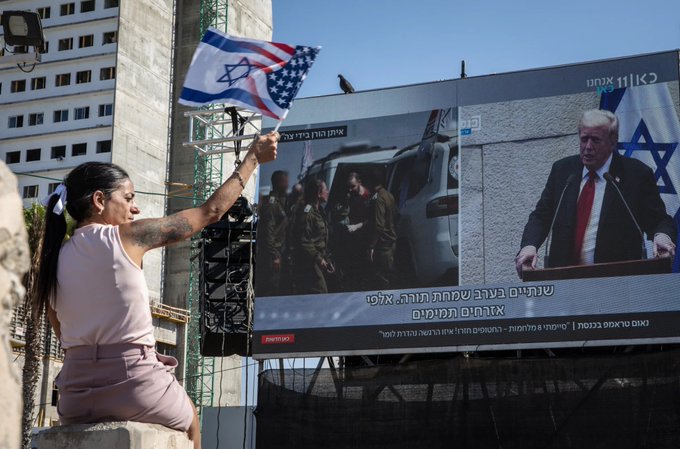
A ceasefire agreement between Israel and Hamas, signed on October 9th, has prompted scrutiny regarding its implementation. The deal, brokered through negotiations involving the United States, Qatar, Egypt, and Turkey, was based on a 20-point plan aimed at de-escalating ongoing violence in the region. Since its signing, analysts and officials have been assessing which elements of the agreement have been put into effect.
Reports indicate that some aspects of the ceasefire are holding, including a reduction in hostilities and the temporary easing of restrictions in certain areas. However, experts note that progress on other specific points of the plan remains inconsistent, with ongoing concerns about whether both sides are fully adhering to the terms. The situation continues to be fluid, with sporadic flare-ups and continued diplomatic engagement underway.
The international community has expressed cautious optimism, emphasizing the importance of maintaining the ceasefire and encouraging further negotiations. While some agreements are operational, questions remain about the long-term sustainability of the deal and the full implementation of the agreed-upon 20-point plan. Monitoring groups and mediators emphasize that continued dialogue and verification are essential to consolidating gains and preventing a relapse into violence.