
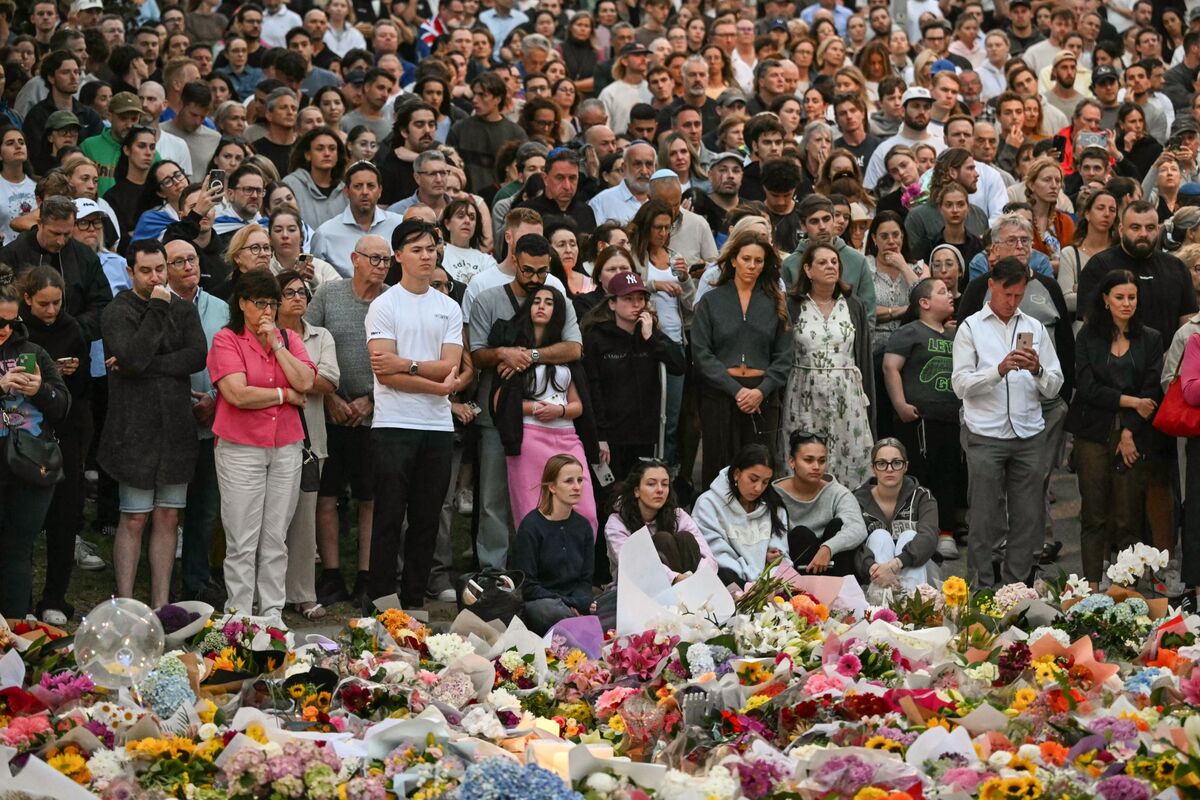
Following the recent terrorist attack at Bondi Beach, Australia has rapidly moved to strengthen its gun control measures. The government announced a series of legislative proposals aimed at tightening restrictions on firearm ownership and access, reflecting the nation’s ongoing commitment to curbing gun violence. These measures come amid increased public support for stricter firearm regulations following the attack, which left the community shaken.
In contrast, the United States continues to grapple with a highly politicized debate over gun laws. Despite numerous mass shootings and persistent calls for reform, significant legislative changes remain elusive. Many advocates and policymakers argue that Second Amendment rights hinder efforts to implement stricter restrictions, contributing to the persistent rate of firearm-related violence in the country.
The contrasting approaches highlight the divergences in how Australia and the US address gun violence. Australia’s swift legislative response demonstrates a proactive stance rooted in recent traumatic events, whereas the US’s ongoing debate reflects deeply entrenched political and cultural divides. Experts suggest that these differing strategies will continue to shape each country’s trajectory in managing firearm-related issues.
As Australia advances with tighter gun laws, international observers may watch closely to see whether these measures reduce firearm incidents. Meanwhile, in the US, discussions on gun reform remain a contentious and polarizing topic, with meaningful policy shifts appearing further away. The different responses underscore the complex and contrasting ways these nations confront the challenge of firearm violence.