
Venezuela’s oil industry remains significantly strained after years of economic sanctions and underinvestment, leading to a decline in production capacity and infrastructure. Despite these challenges, the country has persisted in exporting crude oil, primarily to China, its largest trading partner. The continued exports highlight Venezuela’s ongoing reliance on its oil sector for revenue and its efforts to maintain economic ties despite financial restrictions.
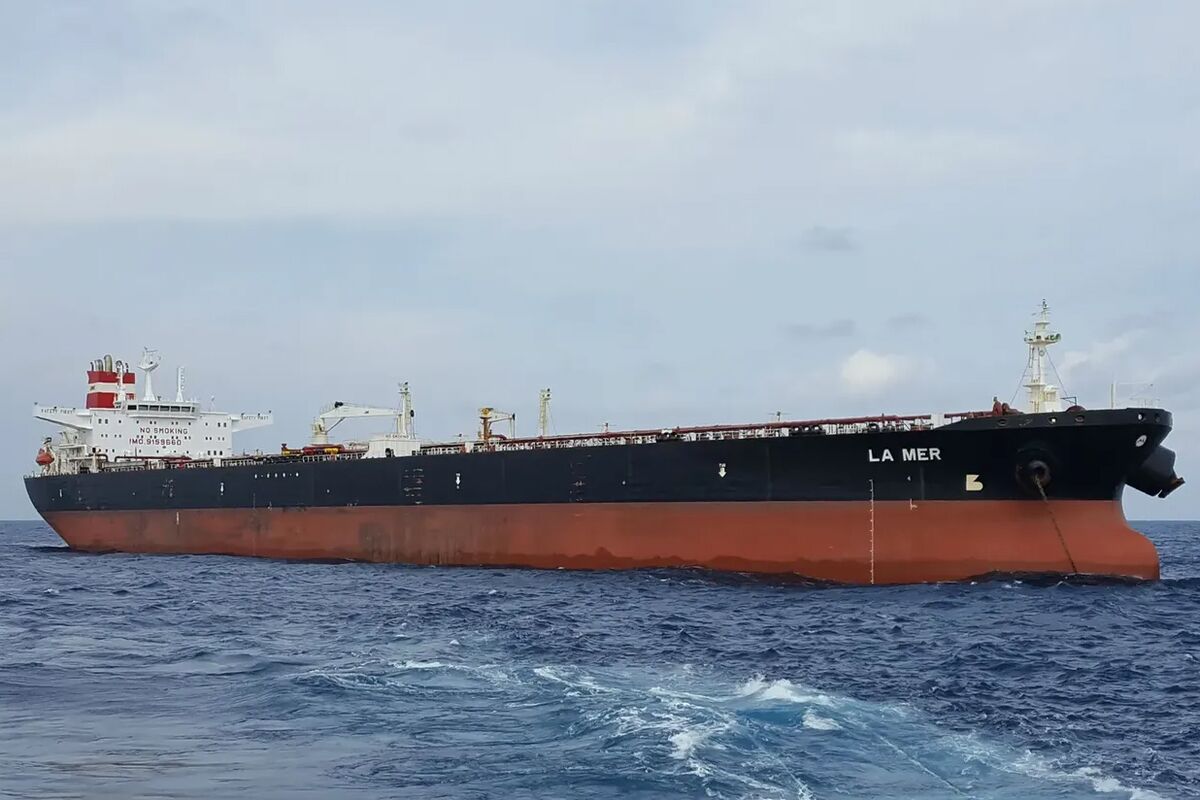
To facilitate these shipments, Venezuela has relied on a fleet of some of the oldest and least transparent tanker vessels in the global maritime industry. These aging ships often operate under complex arrangements that sometimes obscure actual ownership and shipping routes, raising concerns about regulatory compliance and safety standards. The use of such vessels underscores the difficulties Venezuela faces in accessing newer, more reliable shipping options amid ongoing international sanctions.
The export activity, primarily heading eastward to China, serves as a critical lifeline for Venezuela’s government and economy. It exemplifies the country’s continued dependence on its oil sector, even as it contends with deteriorating infrastructure and the impact of sustained economic isolation. International observers note that these shipping practices reflect broader challenges in the global energy market, particularly for nations under sanctions or facing financial restrictions.
Despite these hurdles, Venezuela’s oil exports persist, driven by the need to generate revenue and maintain its global trade relationships. The reliance on aging vessels and opaque shipping routes, however, may pose ongoing risks to safety, environmental standards, and regulatory oversight in the future.