
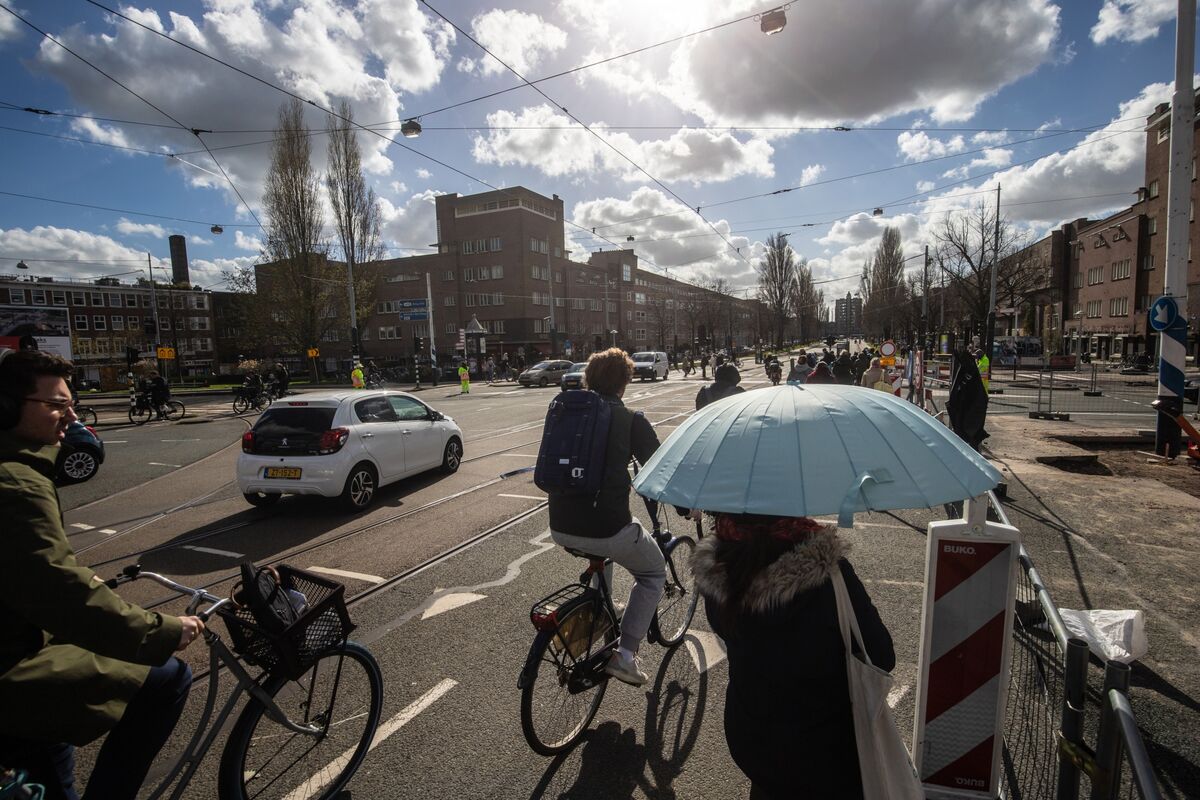
Several cities across the United States are implementing new street crossing designs inspired by successful road safety innovations in the Netherlands. These initiatives aim to improve pedestrian safety and reduce accidents at busy intersections and crossings.
The Dutch model features several key elements, such as raised crosswalks, curb extensions, and dedicated pedestrian phases in traffic signals, which have proven effective in decreasing accidents and encouraging safer pedestrian behavior. U.S. cities are adopting these measures to enhance visibility, shorten crossing distances, and calm vehicle traffic around high-pedestrian areas.
Authorities hope that these improvements will make streets safer for all users, particularly vulnerable populations like children and the elderly. The efforts align with broader initiatives to promote walkability and make urban transportation safer and more accessible.
As the installations proceed, local officials and safety advocates emphasize the importance of data collection and ongoing evaluation to measure the impact of these innovations. The goal is to create more pedestrian-friendly environments while maintaining efficient vehicle flow across city streets.