
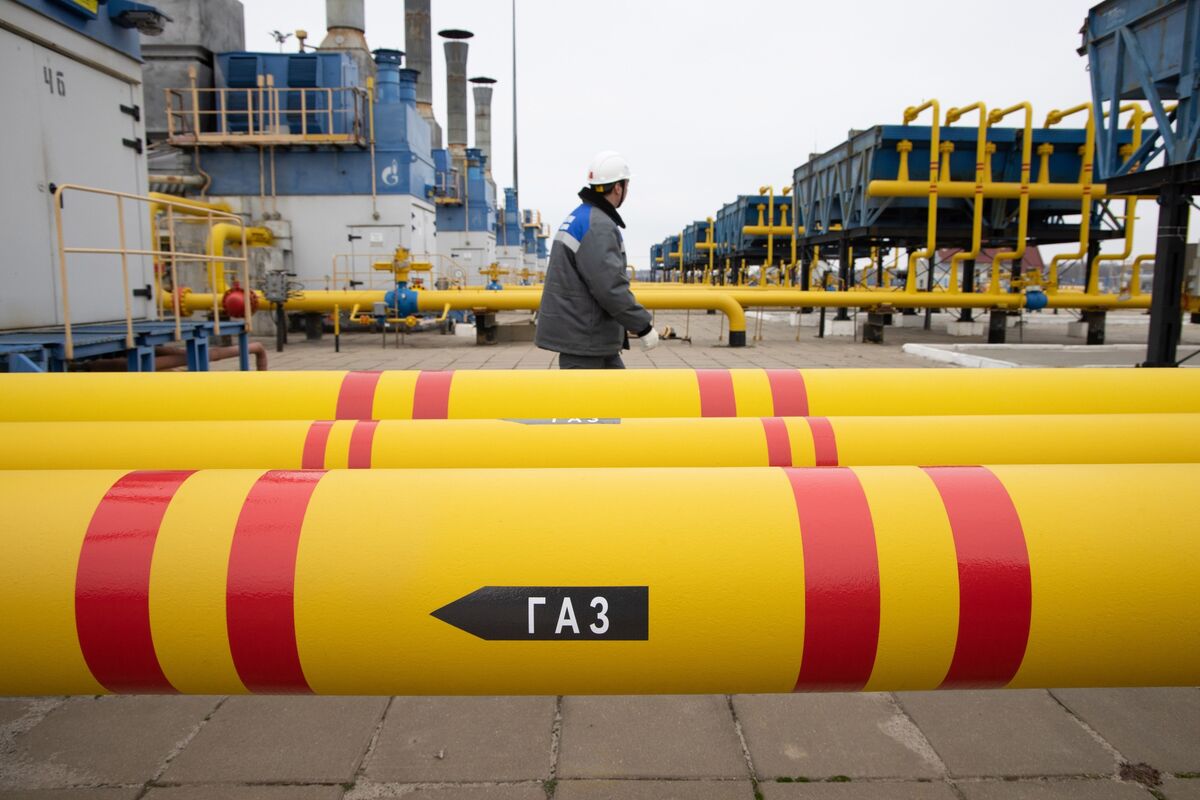
Russia has announced the extension of its temporary ban on gasoline exports, now lasting through the end of February. The move aims to stabilize the domestic fuel market amid ongoing supply and demand concerns. The government cited the need to ensure sufficient fuel supplies for local consumers and prevent price surges as primary reasons for the continuation of the ban.
The export restrictions, which were initially implemented earlier this year, have been part of Russia’s broader efforts to manage its energy sector amid fluctuating global oil markets. The measure has affected international fuel trade, with importers monitoring the situation closely as the restrictions influence global supply chains.
Experts indicate that such export bans are often used by exporting countries to protect their national markets during periods of volatility. While beneficial for domestic consumers, the restrictions may also lead to supply shortages or increased prices in foreign markets relying on Russian gasoline.
The Russian government has not announced any plans to lift the ban before the new deadline. Industry analysts will continue to observe the impact of this policy on both the domestic fuel market and international trade dynamics.