
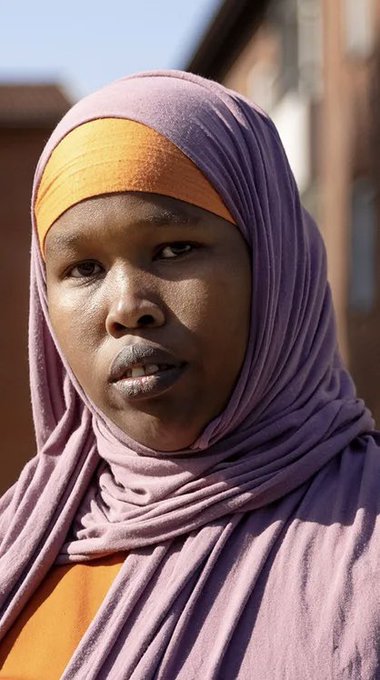
Shukri Mohamed Hassan, a Somali refugee, gained significant attention in Sweden several years ago following the publication of her story. According to reports, Hassan received approximately €3,500 (roughly $3,500) per month in social welfare benefits, despite being unemployed for an extended period. Her case sparked public debate over welfare policies and the management of social benefits, especially regarding individuals with long-term unemployment.
Hassan arrived in Sweden eight years prior with her three children, seeking refuge and economic stability. Her story became controversial due to allegations that her prolonged receipt of welfare payments was viewed by some as abuse of the system, prompting discussions about social assistance programs and their oversight. The situation drew mixed reactions, with some advocating for stricter controls to prevent potential exploitation, while others emphasized the importance of supporting refugees during their integration process.
The case highlighted broader concerns about welfare dependency and the challenges of balancing aid with accountability. Swedish authorities reportedly reviewed such cases to ensure proper use of social benefits and to address public concerns. As discussions continue around social welfare reforms, Hassan’s story remains a notable example of the complexities involved in refugee assistance and social policy in Sweden.