
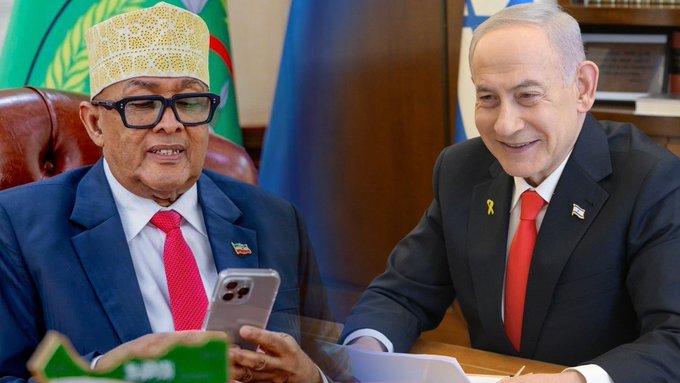
Israel has announced its decision to recognize Somaliland as an independent state, making it the first country to do so officially. The recognition marks a significant development in the region, where Somaliland has long sought international acknowledgment of its sovereignty since declaring independence from Somalia in 1991. Israel’s decision underscores its interest in strengthening bilateral relations and expanding its diplomatic reach in the Horn of Africa.
The move appears to be motivated by multiple strategic and political considerations. Among these is the desire to establish informal ties with a stable regional entity, which is centered in Hargeisa. Additionally, regional security dynamics, including concerns related to the Houthis in Yemen, are believed to influence Israel’s approach toward Somaliland. Recognizing Somaliland could also open avenues for economic and intelligence cooperation.
The decision has garnered mixed reactions from the international community. While some regional actors may see it as a boost for Somaliland’s bid for independence, others view it as a potential complication in Somalia’s ongoing efforts to maintain territorial integrity. The Horn of Africa remains a complex geopolitical landscape, with hopes that this recognition might influence broader regional stability and diplomacy.
As the situation develops, analysts are watching closely to see how other nations respond to Israel’s recognition of Somaliland. The move could set a precedent for more formal international engagement with Somaliland, influencing regional diplomacy and security dynamics in East Africa.