
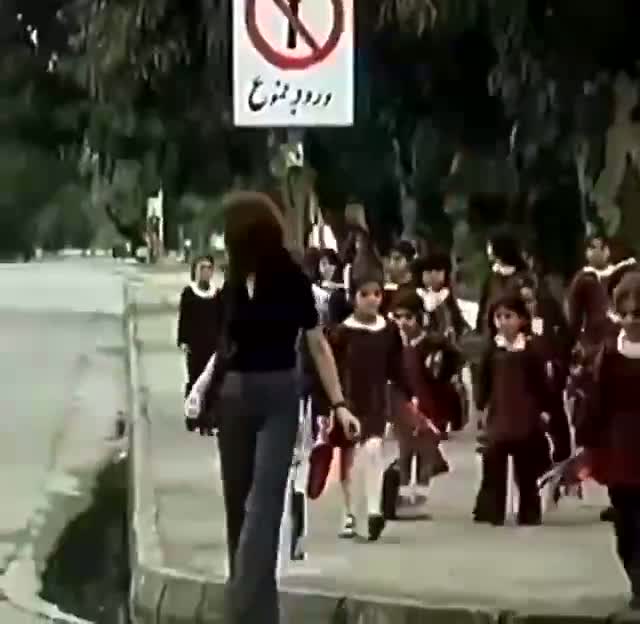
Iran, prior to the 1979 Islamic Revolution, was a nation experiencing a complex mix of social, political, and economic challenges. Under the Shah’s rule, the country saw rapid modernization and development, yet these changes also brought about widespread inequality and discontent among various social groups. The regime’s increasingly authoritarian approach and suppression of political dissent fueled unrest, culminating in mass protests that ultimately led to revolution.
Many Iranians alive today remember that period vividly, recalling the stark contrasts of life before the revolution. The era was marked by significant modernization efforts alongside political repression, creating a society deeply divided over its future direction. The overthrow of the monarchy replaced a pro-Western autocracy with a theocratic regime, fundamentally transforming Iran’s political landscape.
Observers often reflect on how Iran’s transformation underscores the profound impact a regime can have over a country’s trajectory within just a few decades. The shift from a relatively open society under the Shah to a strict Islamic republic highlights the volatile nature of political change and the effects of governance on national development. This historical context remains a powerful reference point for understanding Iran’s ongoing political and social dynamics today.