
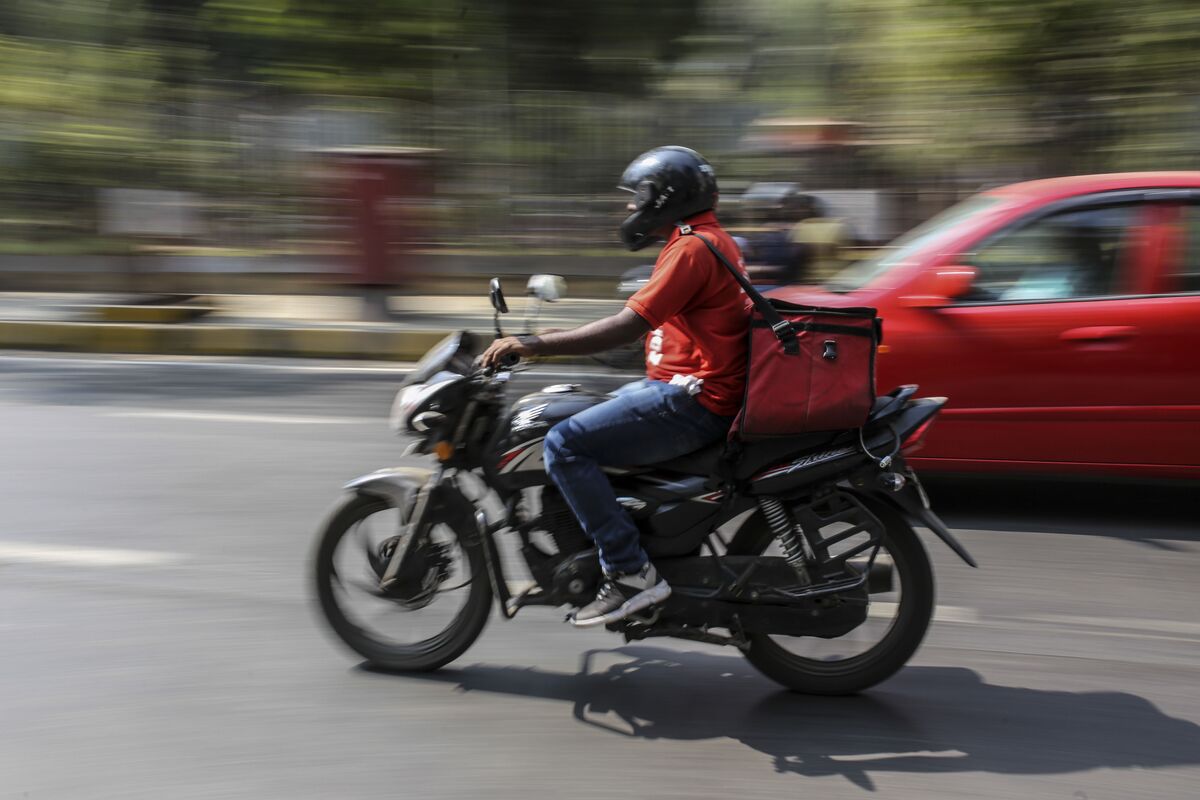
A nationwide strike involving approximately 200,000 delivery workers has taken place across India, drawing attention to the broader implications of the country’s rapid delivery services. The strike highlights concerns among workers regarding working conditions, pay, and the sustainability of demand for instant deliveries in an increasingly digital economy.
The unrest has sparked a debate among policymakers, industry leaders, and consumers regarding the societal and economic impacts of the “instant gratification” culture promoted by many tech companies. Critics argue that the pressure for quick deliveries places undue stress on workers and may compromise safety and labor rights, while proponents emphasize the convenience and economic opportunity provided by such services.
As the strike continues to attract media attention, there is growing discussion about the balance between consumer expectations and fair labor practices. Experts suggest that addressing these issues will require collaboration between government agencies, companies, and labor groups to develop sustainable solutions that prioritize worker welfare without compromising consumer needs.
The protest has underscored the need for a reevaluation of the gig economy’s model, especially as India’s fast-paced delivery industry continues to expand. The outcome of this movement could influence future regulations and industry standards, shaping the way on-demand services operate in the country.