
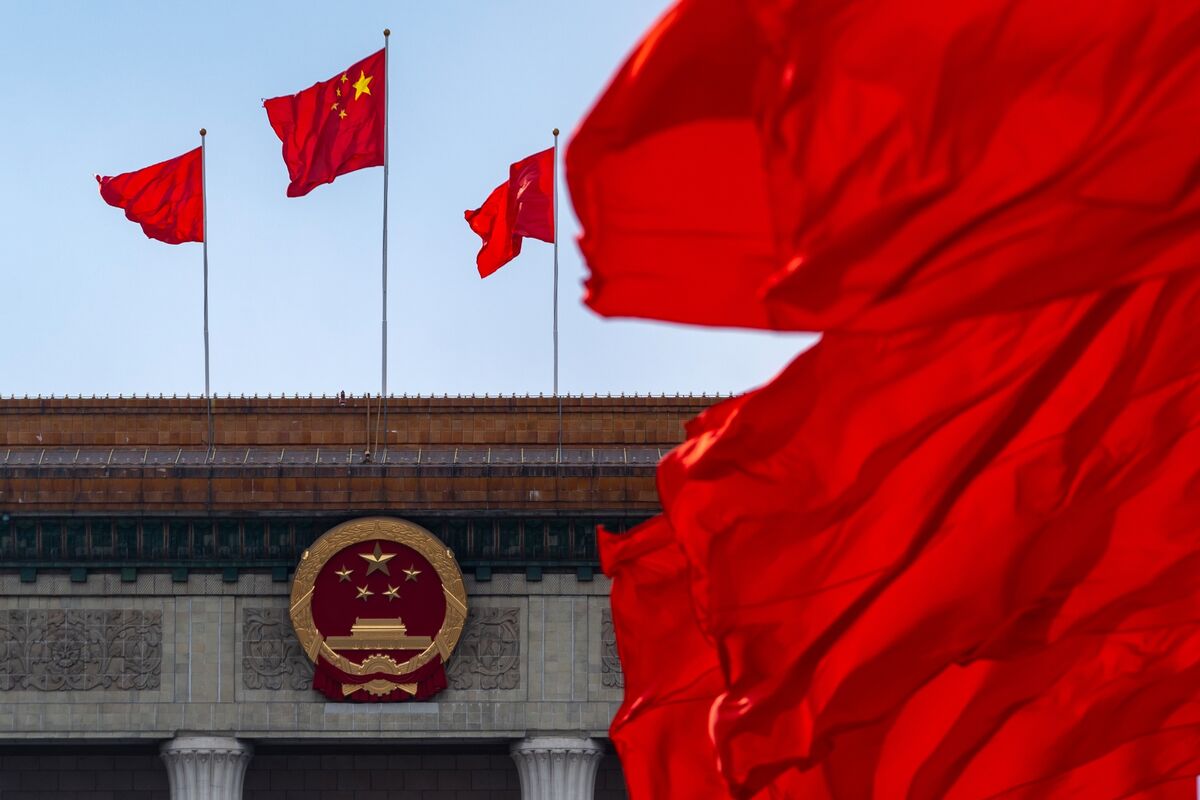
China has intensified its messaging in the wake of the recent arrest of Venezuela’s President, Nicolás Maduro, by U.S. authorities, highlighting its governance model as a viable alternative to Western capitalism. State media and officials have emphasized the purported benefits of China’s development approach, portraying it as a more effective and stable system for developing nations seeking economic growth and political stability.
Expert analysts note that China’s increased diplomatic messaging aims to bolster its influence amid concerns over U.S. interventionism in the region. The narrative suggests that countries might consider adopting models similar to China’s, emphasizing state-led development and strategic economic planning. This messaging aligns with China’s broader efforts to position itself as a key partner and leader for developing countries seeking alternatives to Western-led governance frameworks.
The heightened discourse comes at a time of political turbulence in Venezuela, with international attention focused on regional stability and the role of global powers. While the impact of these messaging campaigns remains to be seen, some observers see it as part of China’s ongoing strategy to expand its international influence and promote its model of governance as a counterpoint to Western liberal democracies.