
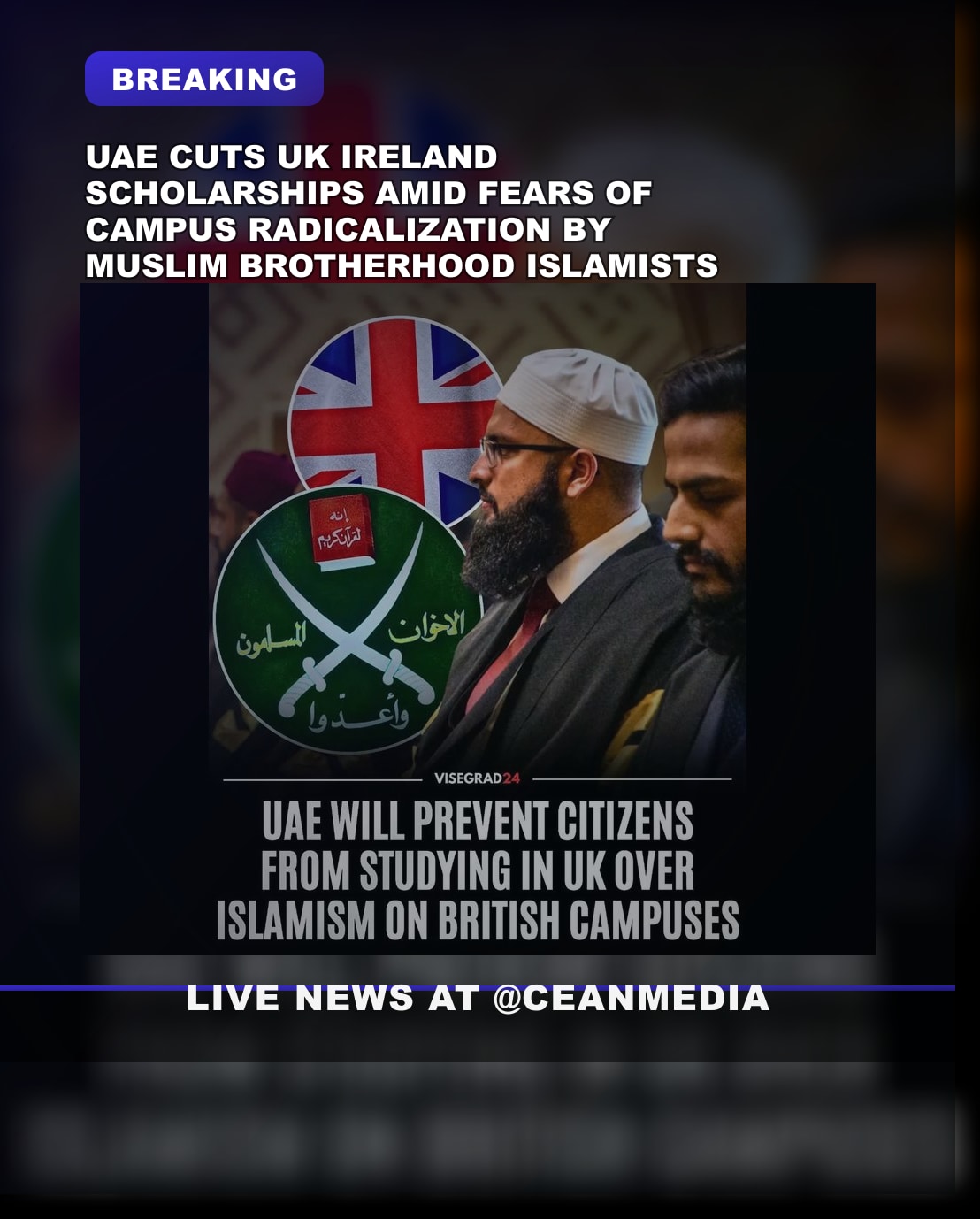
The United Arab Emirates has announced a reduction in financial support for its citizens planning to study in the United Kingdom and Ireland. The move comes amid concerns over potential radicalization and security risks associated with Islamist groups, particularly the Muslim Brotherhood, on university campuses in these countries.
Officials from the UAE cited safety concerns as the primary reason for the funding cut, emphasizing the need to protect Emirati students from exposure to extremist ideologies. The decision aligns with broader efforts by the Gulf state to scrutinize international environments that may pose ideological threats to its citizens and national security.
This development signals a shift in the UAE’s approach to international educational exchanges, especially with European countries. While emphasizing the importance of academic opportunities, the government appears to prioritize security considerations in its foreign policy. The UK and Ireland have not yet responded publicly to the UAE’s decision but remain focal points in regional security analyses.
The move reflects ongoing regional concerns regarding Islamist extremism and how it can spread through educational institutions abroad. It also underscores the fragile balance Gulf states seek to maintain between fostering international ties and safeguarding their citizens from ideological influences perceived as radical or destabilizing.