
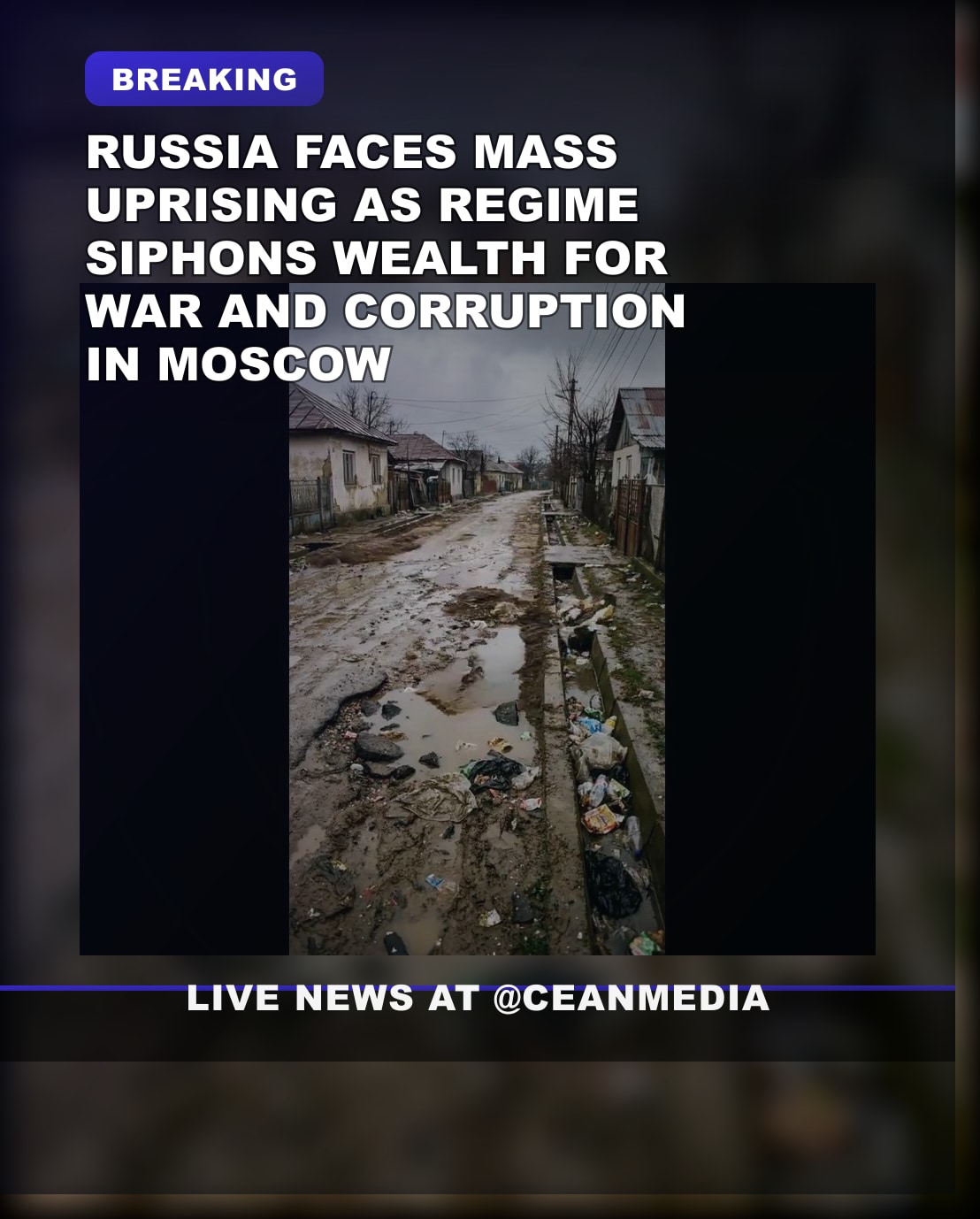
A hypothetical scenario has gained attention online, suggesting that over 100 million residents of Russia could potentially improve their living conditions if they were to oppose the current government. The analysis contends that the Russian regime, which controls the country’s vast natural resources, redirects the wealth generated into corruption, military conflicts, and weapons development rather than addressing domestic needs.
Proponents of this perspective argue that a change in leadership or a mass uprising could unlock the country’s economic potential, leading to better healthcare, education, and infrastructure for Russian citizens. They highlight the disparity between Russia’s resource wealth and the standard of living for average citizens, suggesting that accountable governance could bridge this gap.
However, the scenario remains hypothetical, with experts cautioning against oversimplification of Russia’s complex political landscape. Critics note that such a large-scale uprising would face significant challenges, including state mechanisms that maintain control, and the risks associated with political instability. Analysts emphasize that any significant change would require careful consideration of the country’s internal dynamics and international implications.
Overall, while the idea of millions of Russians benefiting from a regime change resonates with some reform advocates, the realities of Russia’s political structure and security apparatus suggest that systemic change would be a complex and uncertain process.