
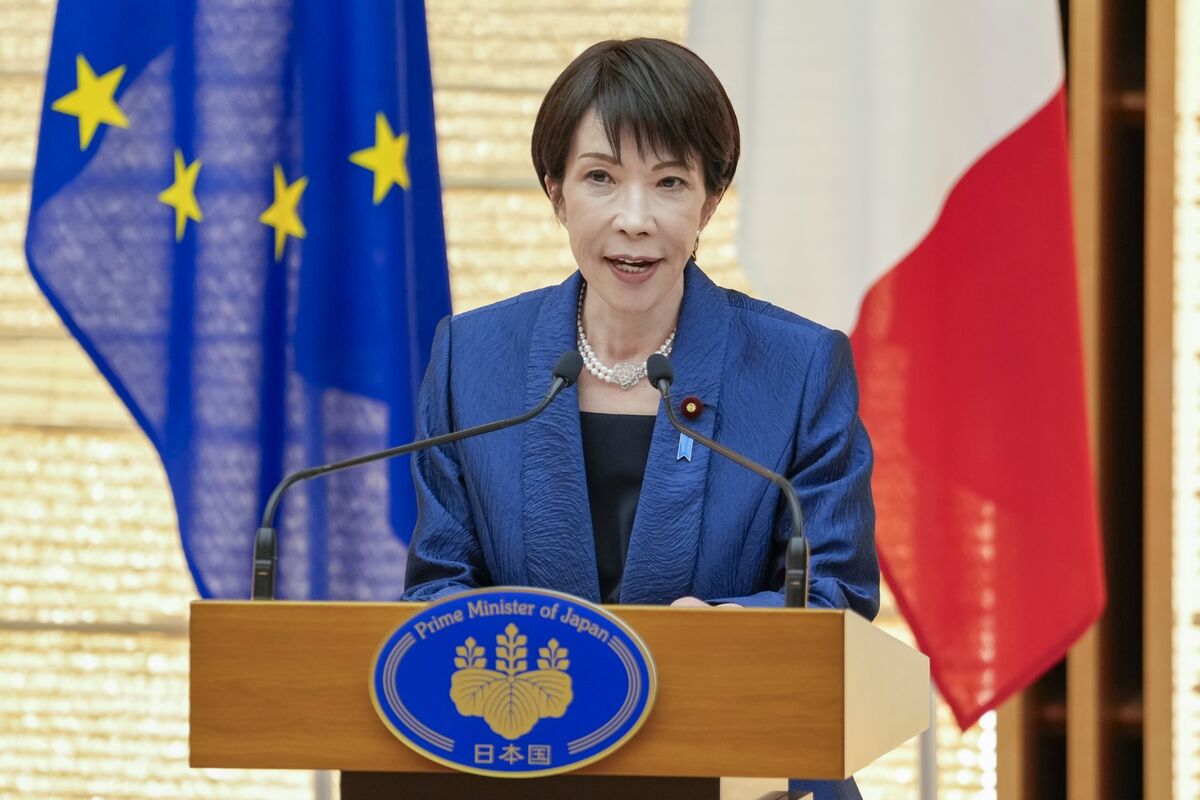
Japan’s Prime Minister is anticipated to announce a snap election for the lower house of parliament amid growing economic challenges and regional tensions. The move comes as the government seeks to strengthen its mandate to address ongoing economic pressures, including inflation and sluggish growth, while navigating heightened security concerns in the region.
The election is expected to take place within the next few weeks, potentially altering the current political landscape. Political analysts suggest that the outcome could influence Japan’s policy approach on both domestic issues and regional diplomacy, especially amid increasing tensions with neighboring countries. The decision for a snap vote reflects the government’s desire to secure a fresh mandate to better manage these complex issues.
Japan’s opposition parties are also gearing up for the contest, which could result in shifts in parliamentary control. Historically, snap elections are used by incumbents to consolidate power or respond to urgent political realities. Experts will be monitoring whether the vote will bolster the ruling party’s position or open the door for greater opposition influence.
As the campaign period approaches, voters and observers alike are paying close attention to the government’s messaging and the key issues at stake. The outcome of the election could have significant implications for Japan’s economic policies and regional strategy in the months ahead.