
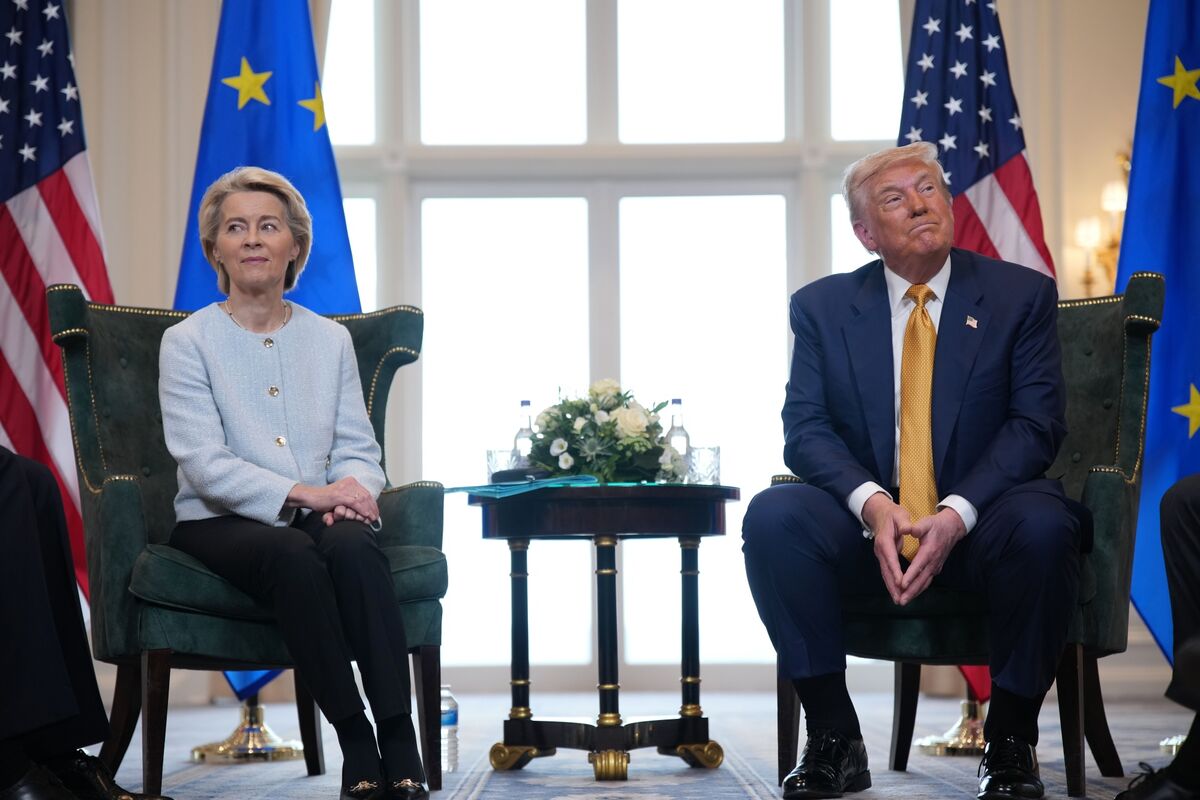
European Union lawmakers are preparing to oppose the approval of a trade agreement with the United States amid escalating tensions related to Greenland. The disagreement stems from U.S. President Donald Trump’s recent threats to impose tariffs on countries that supported Greenland’s stance against American pressures. The move has generated concern among EU officials about the potential impact on transatlantic trade relations.
The proposed trade deal, which has been under review for several months, aims to strengthen economic ties and facilitate cooperation between the EU and the US. However, the threat of tariffs has complicated its ratification process, with many lawmakers wary of endorsing an agreement amid ongoing trade disputes and diplomatic strains. The opposition reflects broader unease within the EU regarding unilateral U.S. trade policies under the current administration.
European lawmakers are expected to formally voice their objections in upcoming votes, potentially delaying or blocking the deal’s approval. Critics argue that such measures could undermine the stability of transatlantic economic relations and exacerbate existing tensions. The EU has expressed a desire to maintain constructive dialogue, but recent developments suggest that negotiations could face significant hurdles in the near future.
As the situation develops, both sides remain engaged in diplomatic efforts to address the issues. The outcome of the EU’s legislative decision could have implications for future trade negotiations and the overall political relationship between the European Union and the United States.