
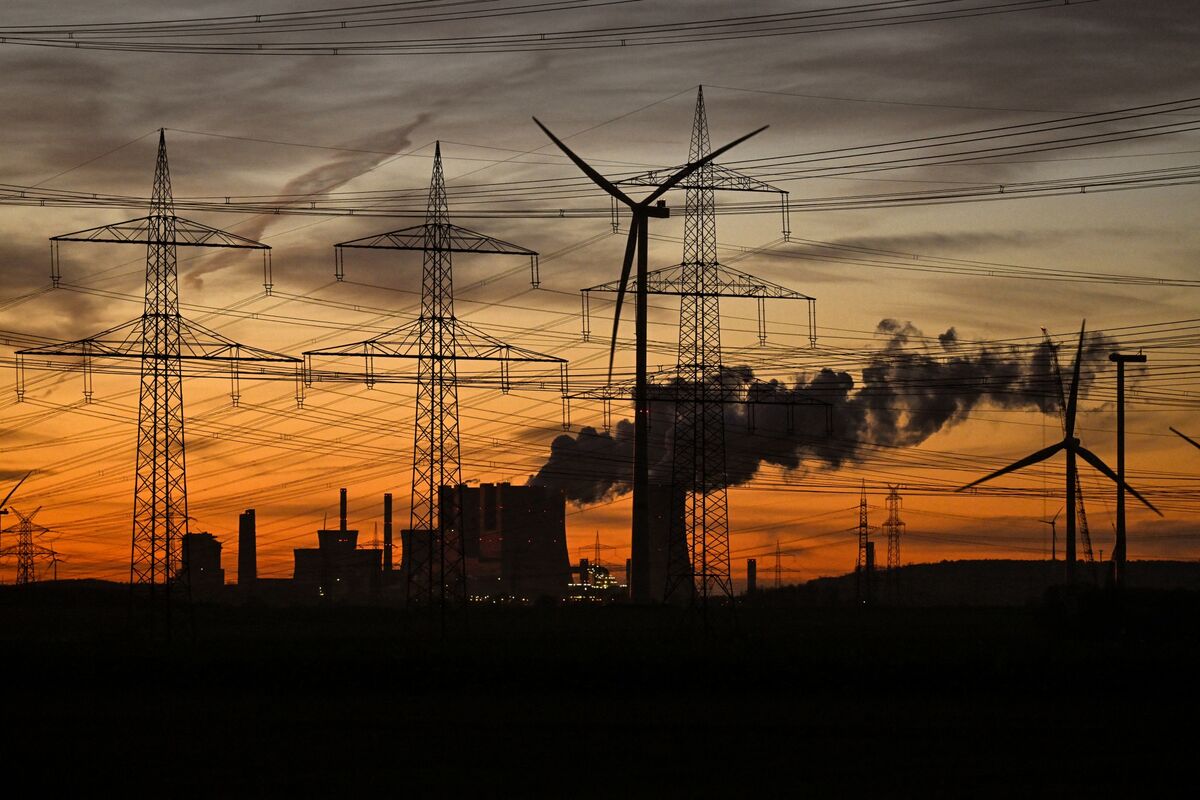
Several of Germany’s most carbon-intensive power plants have returned to profitability and are increasing their electricity production, according to recent reports. These plants, which include coal-fired facilities known for high emissions, faced financial difficulties amid the country’s transition to renewable energy. However, recent market conditions have enabled some to resume higher output, prompting concern among environmental advocates.
The resurgence of these plants is partly driven by volatile energy prices and supply-demand fluctuations within Germany’s energy market. Experts note that the increased activity could undermine the country’s climate goals, as coal remains a significant source of greenhouse gas emissions. Environmental groups have called on policymakers to implement measures that discourage the use of the most polluting plants and promote cleaner energy sources.
The German government has committed to phasing out coal by 2038, but the recent profitability of these plants illustrates ongoing challenges in balancing energy security, economic interests, and climate commitments. Industry analysts suggest that continued reliance on high-emission power plants could complicate Germany’s efforts to meet its climate targets under the European Union’s climate policies.