
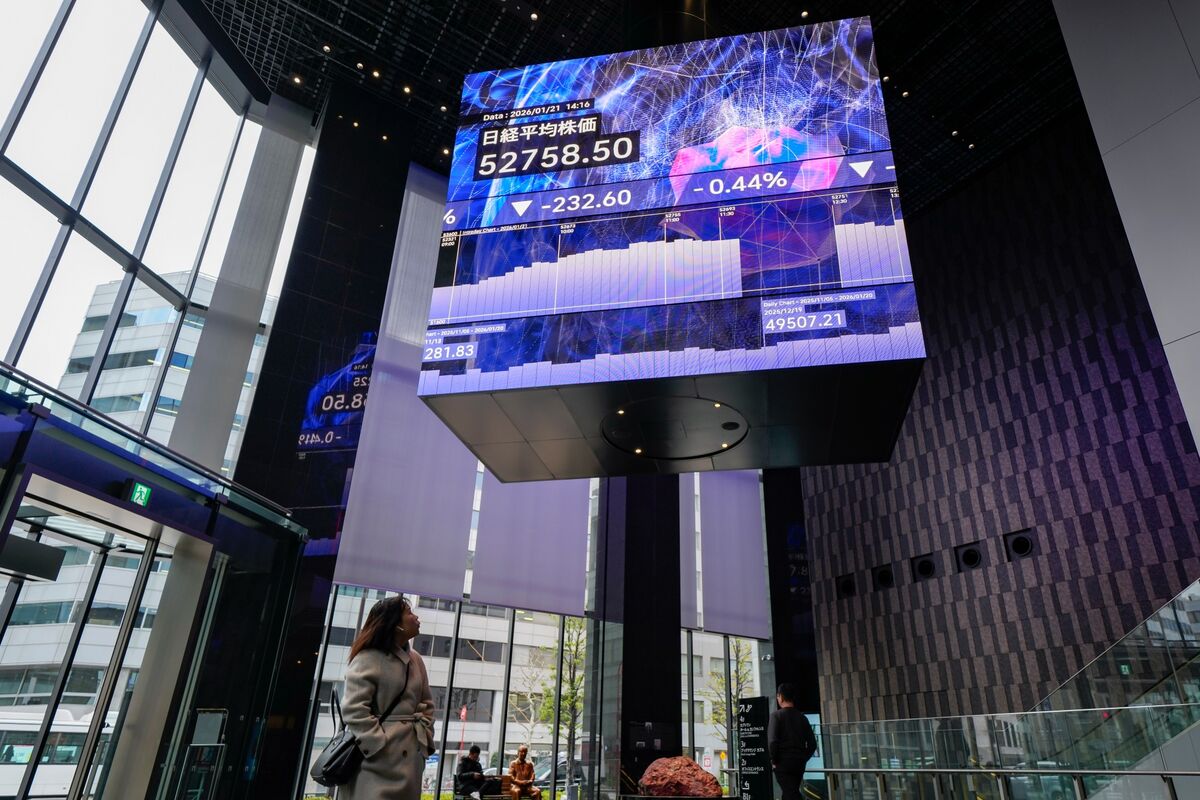
Japanese stocks experienced significant gains early in the year amid investor optimism that Prime Minister Sanae Takaichi would solidify her leadership through a potential snap election and increase government spending. Market participants viewed these prospects as a boost to economic growth, leading to a surge in stock prices across various sectors.
However, this upward momentum was disrupted on Tuesday as the so-called “Takaichi trade” unraveled. Details surrounding the shift in investor sentiment remain limited, but the decline suggests that confidence in Takaichi’s political plans has diminished or that new developments have cast doubt on the anticipated policy trajectory.
The Japanese stock market’s recent volatility highlights how political developments can influence investor behavior and market stability. Analysts suggest that ongoing political uncertainty and changing expectations for government policy may continue to impact market performance in the near term.
As the situation evolves, investors and policymakers alike will be closely monitoring Takaichi’s political moves and any resulting economic policies, which could shape market trends in the coming weeks.