
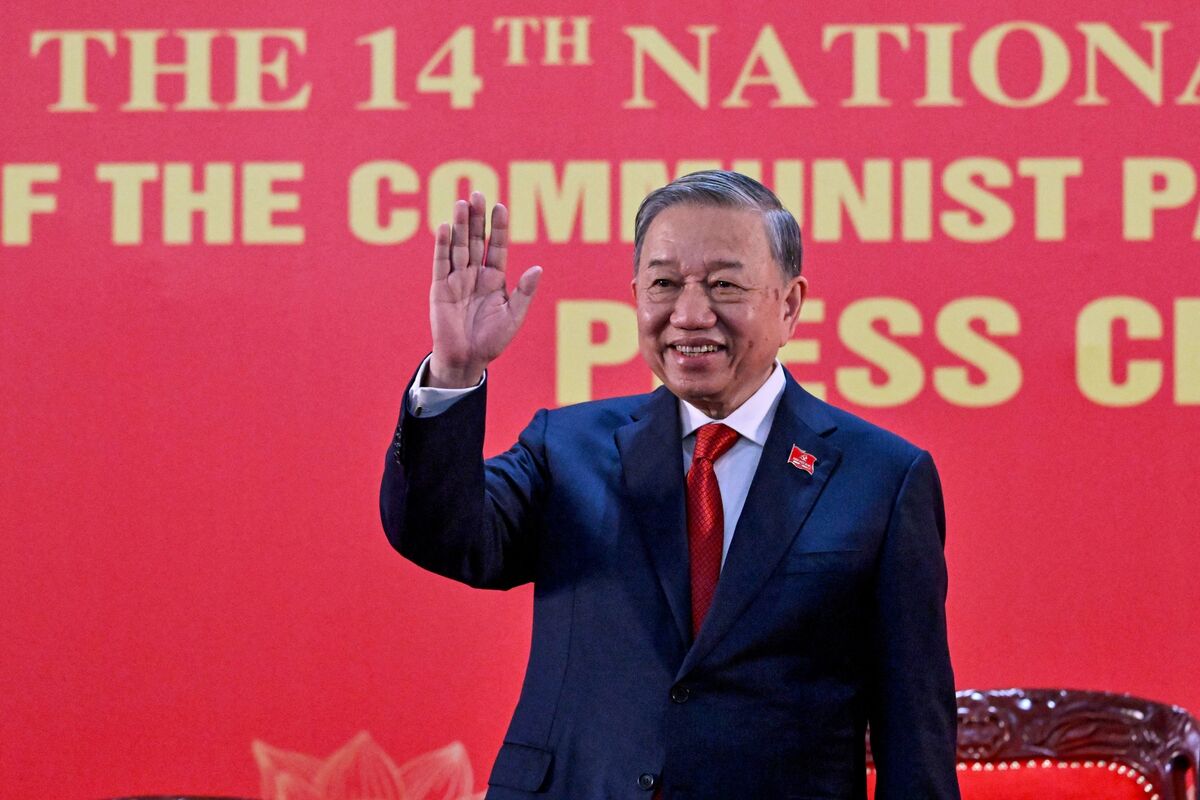
Vietnam’s 13th National Congress concluded in Hanoi, signaling the end of a week-long gathering of the Communist Party’s top leaders. The congress resulted in the unveiling of a new Politburo, the party’s key governing body, which will guide Vietnam’s policies in the coming years. The composition of the Politburo reflects the party’s latest leadership adjustments and reshuffles aimed at steering the country’s political and economic direction.
Among the notable figures in the newly revealed Politburo are several veteran leaders, along with emerging younger faces expected to influence Vietnam’s future agenda. The specific names and roles have not yet been fully disclosed, but analysts are closely watching the designated leaders for indications of policy shifts, particularly in areas such as economic reform, foreign relations, and domestic governance.
The Congress also set the stage for broader internal reforms and reaffirmed the Communist Party’s central role in Vietnam’s political system. While the detailed decisions and leadership lineup are anticipated to be finalized in the coming days, the early reveal of the Politburo provides insight into the party’s strategic priorities for the next five years. This leadership change comes amid ongoing economic challenges and regional geopolitical developments that are likely to influence Vietnam’s policy stance.
As Vietnam continues to integrate into the regional and global economy, the new Politburo’s composition will be critical in shaping the country’s trajectory. Observers and foreign partners will be watching closely for signals about Vietnam’s domestic reforms and its approach to international cooperation in the evolving geopolitical landscape.