
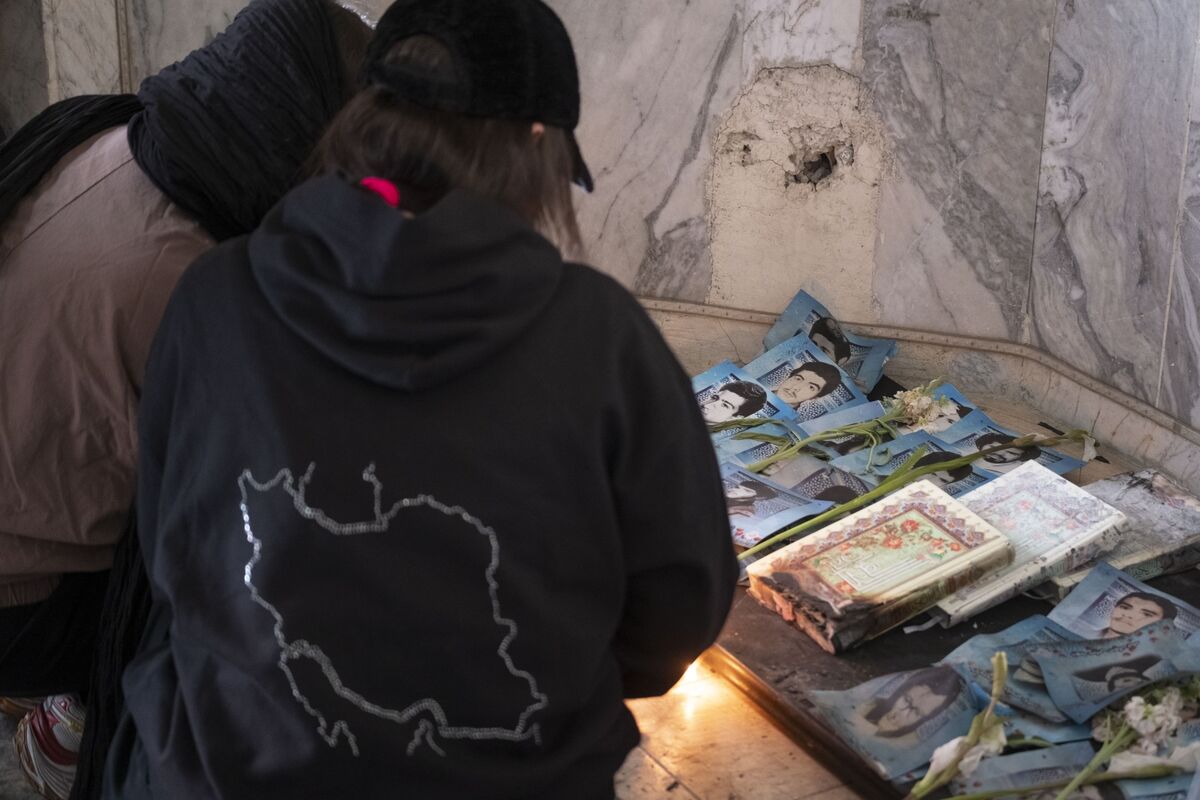
Protests against Iran’s government have continued to unfold, with recent demonstrations exhibiting a noticeably different tone and scale than previous rallies. Protesters took to the streets in multiple cities, voicing grievances over economic hardships, political repression, and calls for greater personal freedoms. The protests appeared to be more widespread and energized, reflecting a growing unrest among diverse segments of the population.
In response, Iranian authorities have employed a variety of measures to quell the demonstrations. Security forces have deployed tear gas, water cannons, and mass arrests in several locations. The government has also publicly condemned the protests, reiterating its stance on maintaining order and sovereignty. Officials have accused some groups of instigating unrest and have emphasized ongoing efforts to restore stability.
International observers have closely monitored the situation, noting that the protests signal a possible escalation in public discontent. While authorities insist that security is under control, analysts warn that continued unrest could challenge the regime’s authority and influence future political developments. Both opposition groups and government officials remain cautious about the trajectory of these protests as tensions persist.
As the protests evolve, experts emphasize the importance of monitoring the movement’s development and the government’s responses. The dynamic indicates a period of heightened tension in Iran, with potential implications for its internal stability and regional relations.