
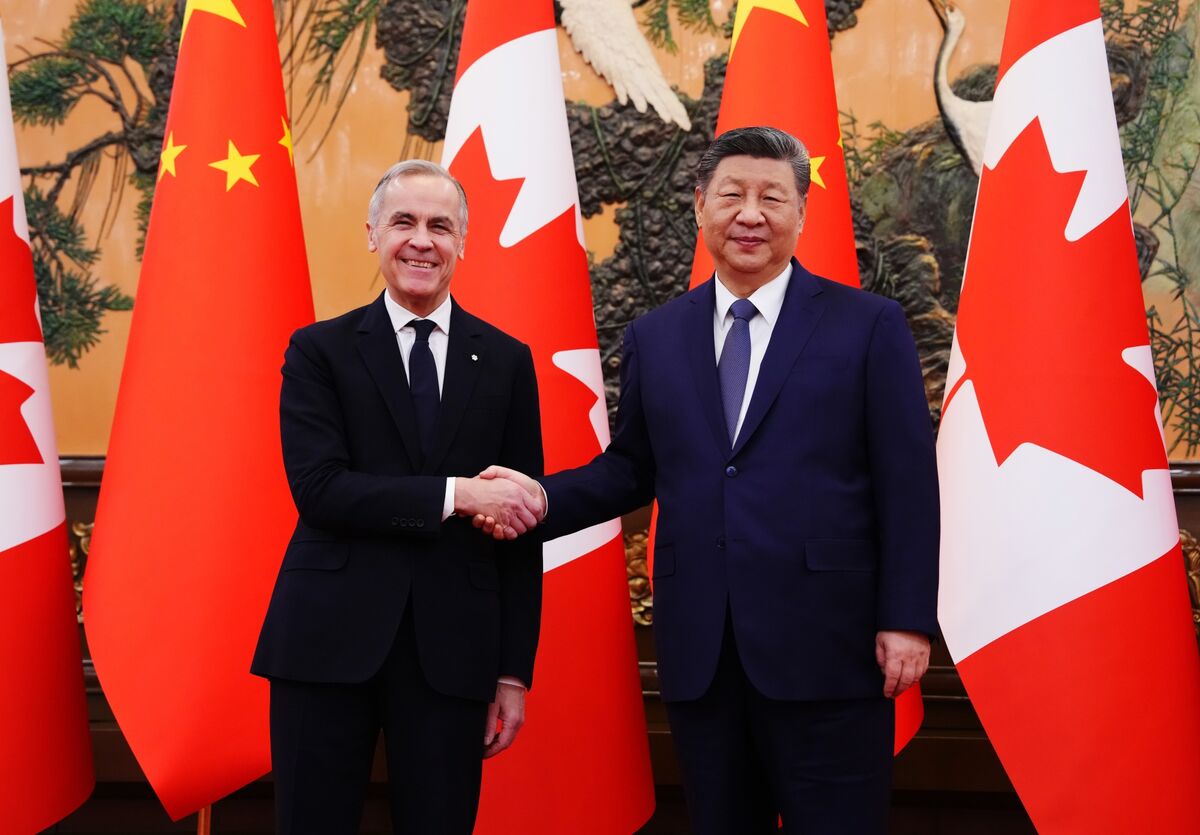
Treasury Secretary Scott Bessent has indicated that Prime Minister Mark Carney’s recent decision to negotiate a trade agreement with China marks a significant shift in policy. Bessent described the development as an “about-face,” suggesting that the move represents a departure from previous stances or strategies related to trade barriers with China.
Details of the deal between the Prime Minister and Chinese authorities have not been fully disclosed, but reports indicate that the agreement includes measures aimed at reducing certain trade restrictions. The decision signals a potential change in the country’s approach to international trade relations, possibly reflecting a desire to foster closer economic ties with China amid evolving global trade dynamics.
This diplomatic shift has garnered attention from various stakeholders, including policymakers and industry groups, who are observing how the new trade arrangements may impact economic growth and bilateral relations. Critics and supporters alike are analyzing the implications of this development, which could influence future trade negotiations and policy directions.
As discussions continue, both domestic and international observers are monitoring the effects of the deal. The move by the Prime Minister to lower trade barriers with China represents a notable change in the country’s trade policy landscape, with potential long-term repercussions for its economic and diplomatic relations.