
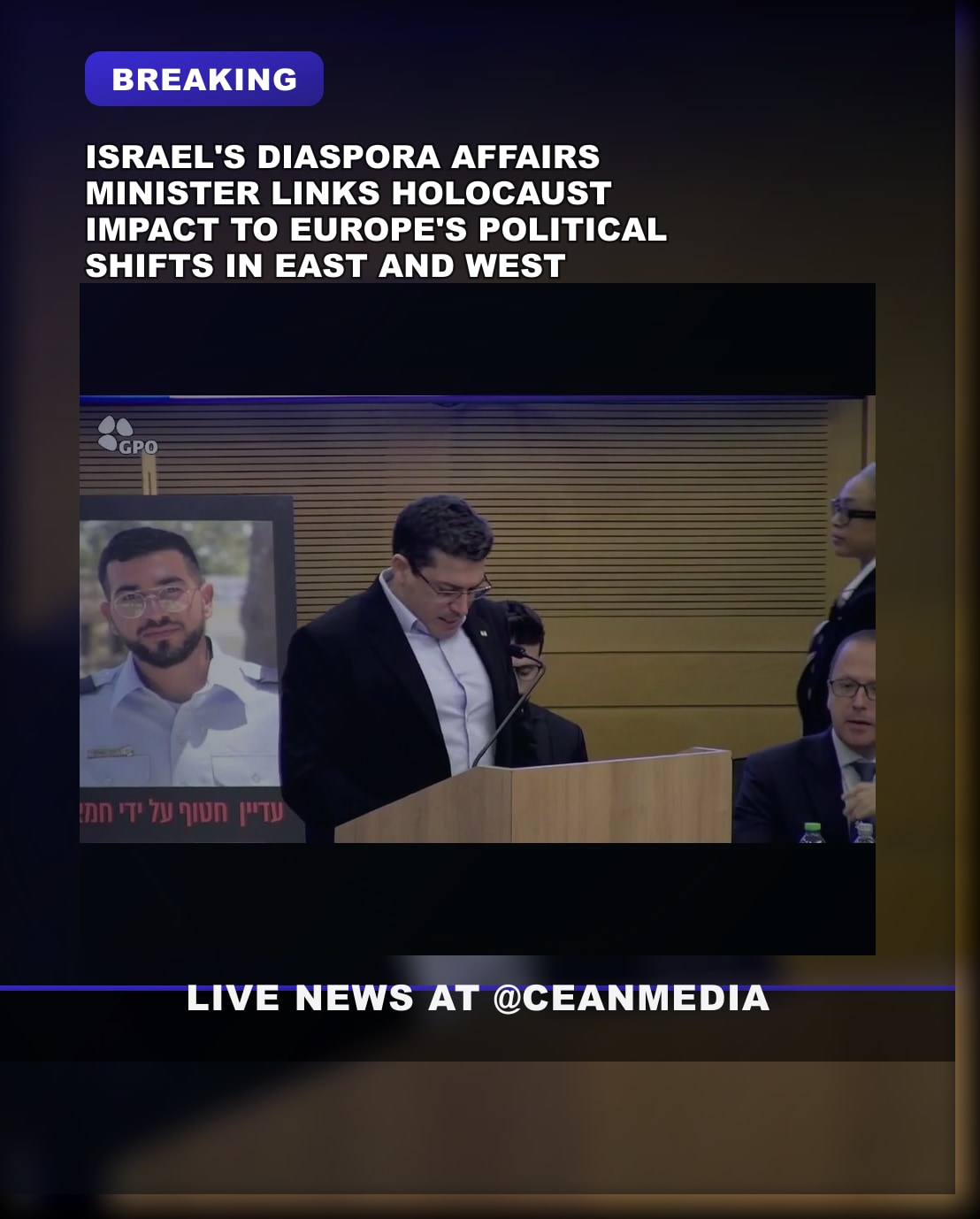
Israeli Diaspora Affairs Minister Amichai Chikli has highlighted the profound changes that Europe underwent in the aftermath of the Holocaust and World War II. Addressing recent discussions, Chikli emphasized that the continent’s political landscape was significantly reshaped by these events, influencing national identities and governance structures.
Chikli noted that in Eastern Europe, the rise of communism was a direct result of the war’s aftermath, replacing Nazi totalitarianism with state-controlled regimes. He suggested that this shift significantly altered the region’s political and social dynamics, leaving a lasting legacy on Eastern European societies.
In contrast, the minister pointed out that in Western Europe, nationalism was identified by some as a key factor contributing to the rise of fascism and the ensuing devastation. He underscored the deep-rooted history of national identity and its complex role in shaping contemporary European politics.
The remarks come amid ongoing debates within Europe about the legacy of nationalism, totalitarian regimes, and the lessons learned from the tragic history of the 20th century. Chikli’s commentary underscores the importance of understanding historical transformations to inform current discussions on democracy and multiculturalism across the continent.