
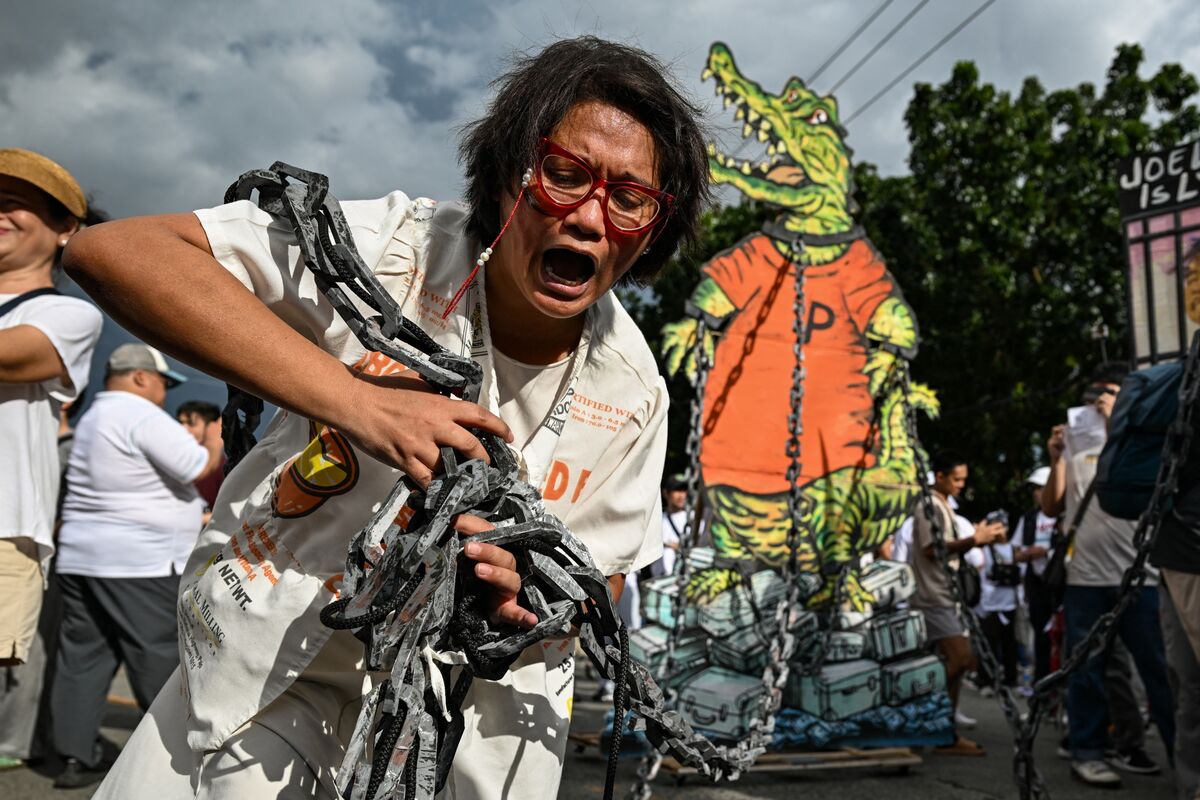
Young people across countries from Indonesia to India are increasingly turning to satire as a coping mechanism amid economic uncertainties and declining trust in institutions. According to journalist Karishma Journo, this trend reflects a broader sense of disillusionment among the youth, who struggle to find reliable avenues for expressing their concerns and frustrations.
Satire has emerged as a popular means for young individuals to critique and question political and economic systems in their countries. By employing humor and irony, they seek to voice their perspectives while navigating a landscape marked by instability and skepticism toward traditional authority figures. This form of expression offers a subtle yet impactful way for young people to engage with pressing societal issues.
Experts suggest that the rising popularity of satire indicates a shifting cultural landscape, where traditional forms of activism may be complemented or replaced by more satirical approaches. While some see this as a sign of creative resilience, others warn of potential risks if satire is misinterpreted or used to spread misinformation.
Overall, the trend highlights how younger generations are using innovative methods to confront the challenges posed by economic and institutional uncertainties. As this pattern continues, it may influence the way societies engage with political discourse and social change in the coming years.