
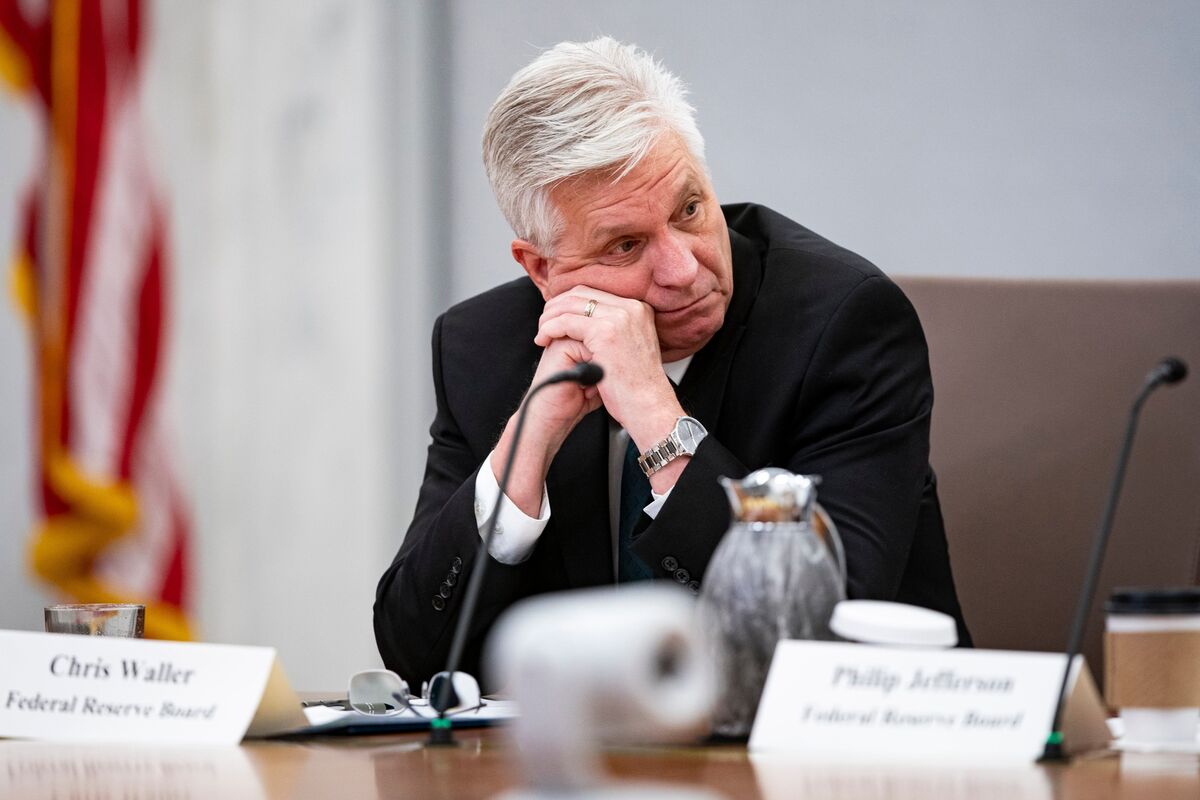
Federal Reserve Governor Christopher Waller issued a dissenting opinion during the latest policy meeting, signaling potential ambitions for a higher role within the Federal Reserve. Waller’s disagreement with the majority decision highlights ongoing debates within the central bank as it navigates economic policy amid shifting inflation and growth data.
Speculation suggests that Waller’s dissent may be more than a routine policy disagreement, with some analysts interpreting it as a strategic move to position himself for a future top leadership role at the Fed. The Federal Reserve’s chair is appointed by the President and confirmed by the Senate, and the current leadership has seen various internal discussions about potential successors.
Waller has been a prominent voice on the Federal Reserve Board, known for his analytical approach to monetary policy and his willingness to publicly express differing viewpoints. While he did not explicitly comment on his intentions, observers note that dissenting votes can sometimes serve as signals of presidential or political aspirations within the central bank.
As the Fed continues to manage inflation concerns and navigate a complex economic environment, Waller’s recent dissent stands out as a notable political and professional signal. The central bank’s leadership remains a key factor in the U.S. economy, and speculation about potential candidates for top positions continues to draw attention from markets and policymakers alike.