
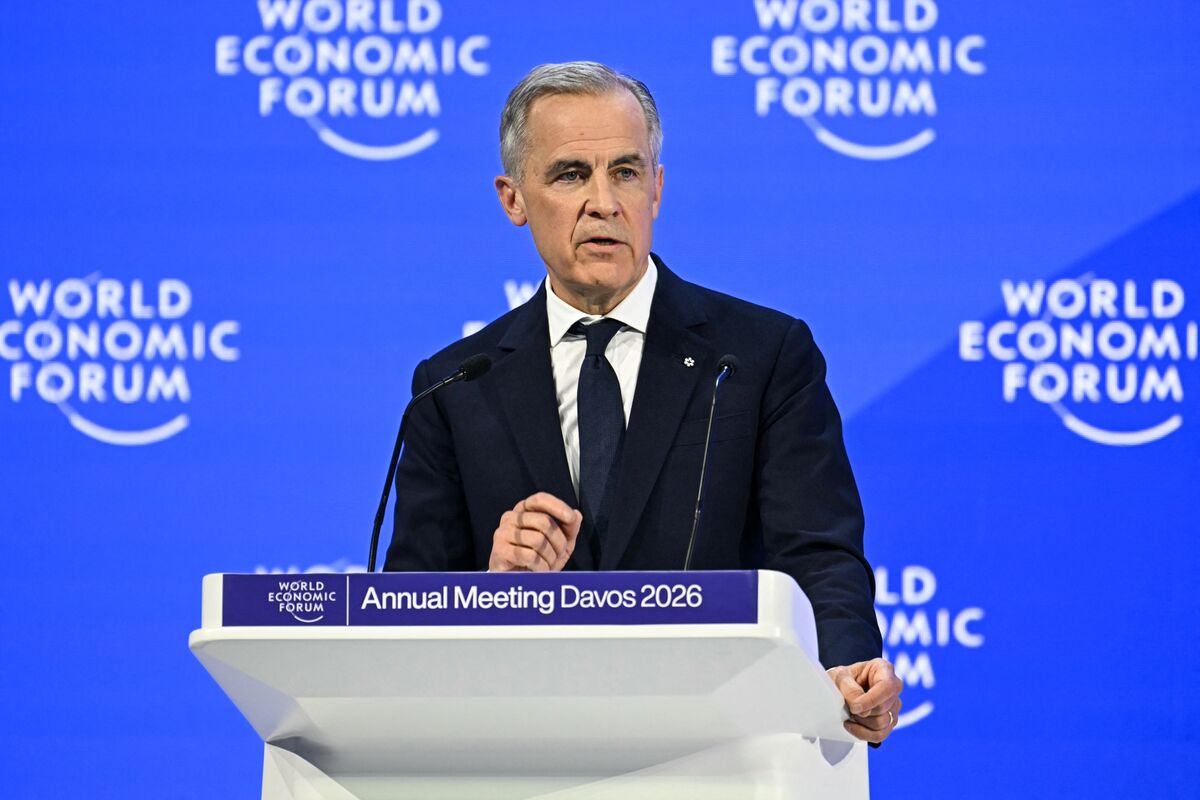
Davos Man, a term often used to describe global elites attending the World Economic Forum, has come under scrutiny for his role in shaping international discourse. Recent commentary suggests that these influential figures, known for promoting familiar economic and political ideas, are increasingly introducing new buzzwords to frame their agendas. Experts warn that this pattern complicates efforts to critically assess the true impact of their initiatives.
Analysts express concern that the injection of novel terminology can obscure underlying intentions and hinder transparency. By constantly evolving their language, global elites may divert attention from substantive policy debates and focus instead on maintaining a positive narrative. This strategy might also serve to energize their base, fostering a sense of innovation and progress where little change has occurred.
Critics argue that such linguistic shifts contribute to a cycle of echo chambers, where new jargon is adopted without genuine engagement or accountability. They emphasize the importance of scrutinizing not only the phrases used but also the policies and actions behind them. As the global community faces pressing challenges, the need for clarity and honesty in high-level discussions remains paramount.
Overall, the tendency of Davos Man to continually reinvent the language of economic and political discourse raises questions about transparency and genuine reform. While new buzzwords can energize discussions temporarily, sustained progress depends on clear, accountable actions beyond the rhetoric.