
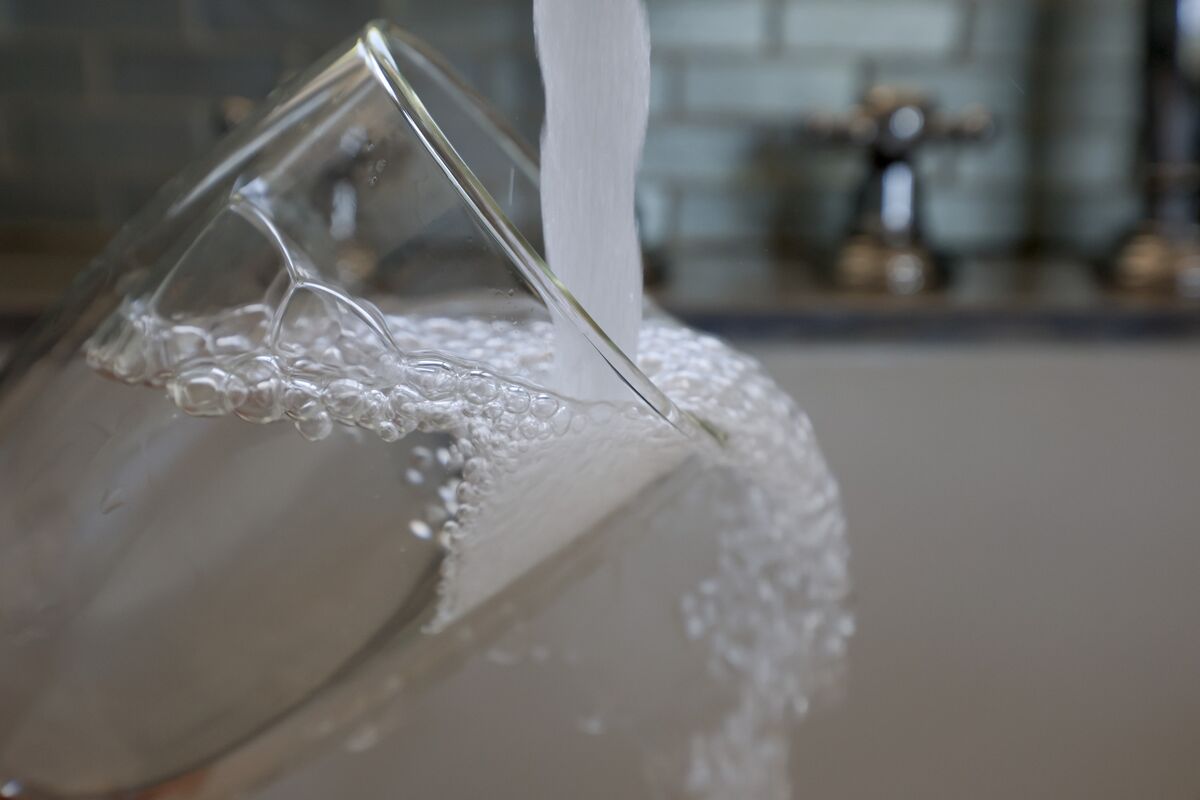
Recent discussions among environmental activists have centered on the issue of plastic bottles, emphasizing their environmental impact and advocating for reduced reliance on single-use plastics. However, a mounting body of scientific research indicates that a different concern warrants greater attention: disinfection byproducts (DBPs) present in tap water.
Disinfection byproducts are chemicals formed when disinfectants like chlorine react with naturally occurring organic material in water. Studies suggest that prolonged exposure to certain DBPs may pose health risks, including potential links to cancer and other ailments. Despite their presence, these compounds often receive less public and regulatory scrutiny compared to more visible pollution sources such as plastic waste.
Experts are calling for more comprehensive research to better understand the health implications of DBPs. Concurrently, there is a push for smarter filtration systems that can effectively reduce these chemicals in household tap water. Advocates emphasize that improved water treatment technologies could play a vital role in safeguarding public health, especially as awareness about chemical contaminants grows.
While reducing plastic waste remains an important environmental goal, many health and safety advocates argue that equal or greater emphasis should be placed on ensuring clean, safe drinking water. As policy discussions evolve, balancing efforts to address both plastic pollution and water safety could lead to more holistic environmental and public health strategies.