
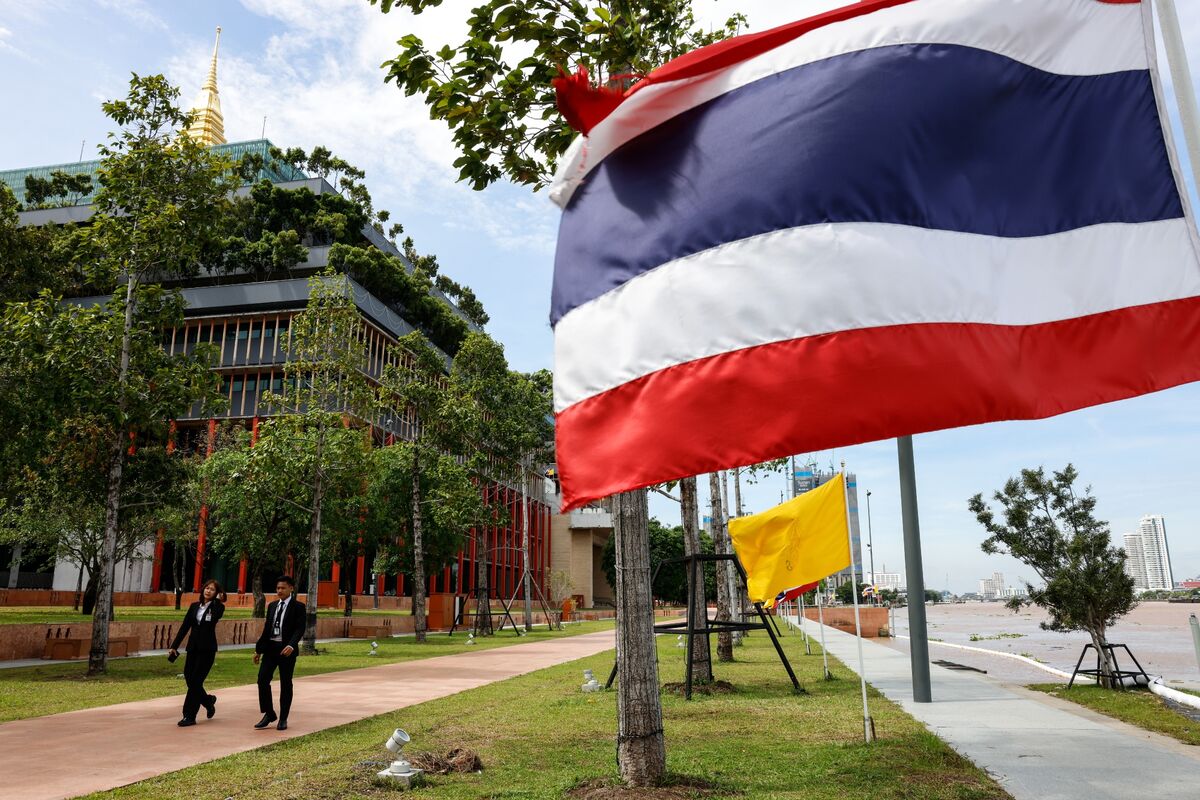
Thailand is set to hold a general election on February 8, 2024, marking a significant event in the country’s political landscape. The vote comes after over a decade of political instability, marked by frequent protests, government changes, and constitutional upheavals. Analysts and citizens alike see this election as a potential turning point toward stability and democratic consolidation.
The election features a competition among multiple political parties, each with distinct platforms ranging from reformist to conservative visions for Thailand’s future. Voters will choose representatives for the national parliament, which will determine the next government and possibly influence ongoing debates about the country’s political and social direction.
Despite the importance placed on this election, the process has faced challenges, including concerns about voter turnout and the potential influence of military and constitutional safeguards. International observers are closely monitoring the election to ensure transparency and adherence to democratic norms.
Ultimately, the outcome could shape Thailand’s path forward, either reinforcing its democratic processes or highlighting ongoing divisions. Many see this vote as an opportunity for the country to move beyond years of instability toward greater political stability and reform.