
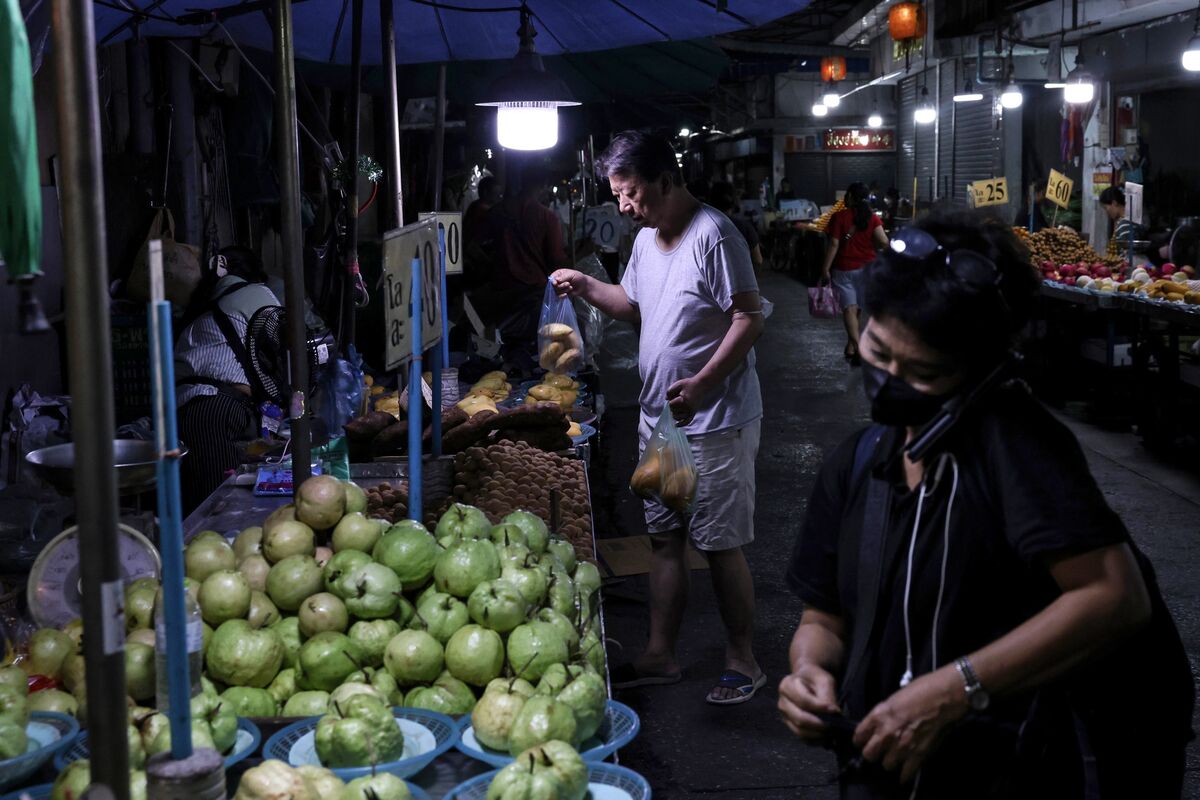
Thailand’s headline inflation continued to stay in negative territory for the tenth consecutive month, marking the longest period of declining prices since the start of the COVID-19 pandemic. The sustained deflation reflects ongoing pressures in the country’s economy, influenced by weaker domestic demand and sluggish global commodity prices.
The Thai government and central bank monitors these trends closely, as prolonged deflation can impact consumer confidence and economic growth. Despite efforts to stimulate spending and investment, inflationary pressures have remained subdued, prompting discussions on potential policy adjustments.
Analysts note that falling prices might offer some relief to consumers, but persistent deflation poses risks, including reduced business revenues and delayed investments. The situation underscores the need for balanced economic measures to foster sustainable growth while avoiding the adverse effects of prolonged price declines.
As Thailand navigates this period of extended deflation, officials are expected to continue assessing economic data to inform future policy decisions aimed at stabilizing prices and supporting recovery.